A fully immersive, paid fellowship in Taiwan for NGO professionals from South Asia, Southeast Asia, and beyond — here’s everything you need to know before the June 1st deadline.
Let me ask you something. How many times have you scrolled through a fellowship listing, felt a flicker of excitement — this could be the one — and then talked yourself out of applying because the requirements seemed impossible, the deadline too close, or the opportunity too good to be real?
I get it. The global fellowship space can feel like a maze of fine print and vague promises. But every once in a while, something genuinely interesting shows up. The 2026 NGO Fellowship Programme by Taiwan Alliance in International Development (Taiwan AID) is exactly that kind of opportunity — and if you’re an NGO professional from South or Southeast Asia, Northeast Asia, or the Pacific Islands, it deserves your full attention.
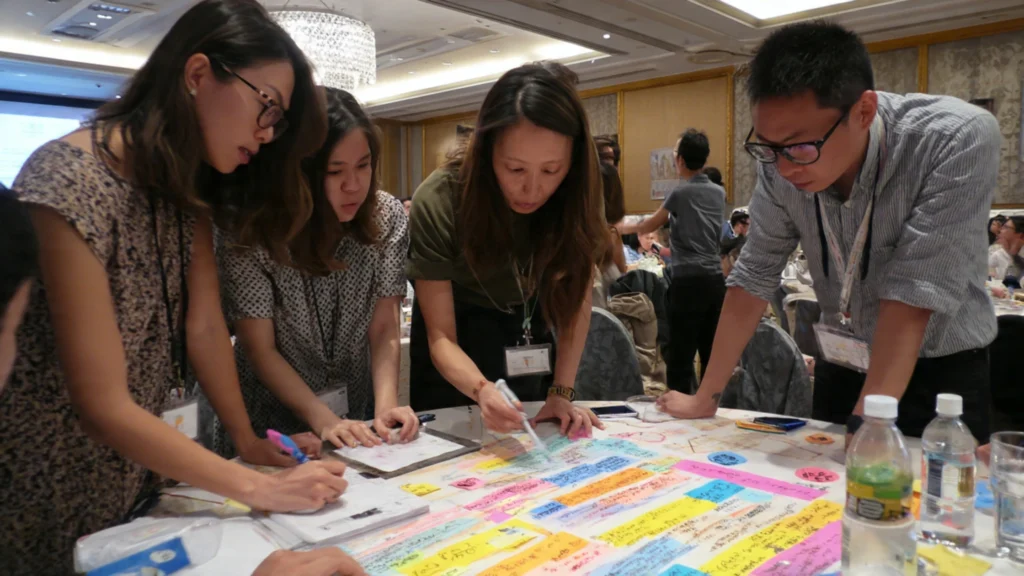
This isn’t a passive learning program where you sit in conference rooms for a month. You’re actually working inside a Taiwanese NGO, attending roundtables with practitioners, proposing real cross-border collaboration projects, and — perhaps most memorably — marching in Taiwan’s LGBT+ Pride parade on October 31st. Yes, really.
So, let’s break it all down properly. What is this fellowship, who can apply, what does the schedule look like, and how do you write an application that actually gets noticed? Let’s go.
What Exactly Is the NGO Fellowship Programme?
The Taiwan Alliance in International Development (Taiwan AID) has been running this programme as part of a broader mission to strengthen civil society networks across Asia and the Pacific. Think of it as a professional exchange — you bring your expertise, Taiwan’s NGO ecosystem gives you a front-row seat to how development work operates in one of Asia’s most dynamic civil societies.
The 2026 cohort is limited to just 12 fellows (subject to funding availability). That’s not a lot. Which means your application needs to be sharp, specific, and genuinely reflective of your work.
“The best fellowships don’t just give you a credential — they give you a network, a new lens, and a project you’re actually proud to carry home.”
This one checks all three boxes. Here’s a look at the core components:
🏢 NGO Placement
3 weeks embedded in a Taiwanese NGO matched to your background. Real operations, real projects.
🎓 Capacity Building
Workshops on project management, fundraising, and advocacy. Site visits to civil society organizations.
🗣️ Roundtable
A peer exchange with Taiwanese NGO professionals to share field observations and ideas.
🤝 Project Proposal
You’ll develop and pitch a collaboration draft for future work in your home country.
🌐 Alumni Network
Stay connected within the Asian NGO ecosystem long after the program ends.
🏳️🌈 Cultural Experience
Participation in Taiwan LGBT+ Pride — a significant civil society event and cultural milestone.
The Programme Schedule: What Your October Looks Like
The fellowship runs fully on-site in Taiwan from October 4 to November 1, 2026. Mark these dates now:
Oct 4 — Day 1
Arrive in Taipei. Settle in, meet the team, get oriented.
Oct 5–8 — Week 1
Workshops on project management, fundraising & advocacy. Civil society site visits across Taipei. Roundtable with local NGO professionals (Day 6).
Oct 12–29 — Weeks 2–4
Three-week field placement inside your matched Taiwanese NGO. This is the core of the fellowship — daily operations, project support, and real immersion.
Oct 30 — Closing
Wrap-up session and formal closing ceremony. You present your collaboration project proposal.
Oct 31 — Pride
Taiwan LGBT+ Pride parade. One of Asia’s largest Pride events — a powerful civic moment.
Nov 1 — Departure
Fly home with new contacts, a project proposal, and a full month of Taiwan in your memory.
Important note
Full on-site participation is required throughout the programme. This is not a hybrid or virtual fellowship — you must be physically present in Taiwan for the entire duration.
Who Can Apply? The Eligibility Criteria Explained
Let’s be direct: this fellowship is designed for mid-career NGO professionals, not fresh graduates. Here’s the full breakdown of who qualifies for this international NGO fellowship:
| Criteria | Requirement | Notes |
|---|---|---|
| Age | 25–40 years old | At time of programme start (Oct 2026) |
| Experience | Minimum 3 years in the NGO sector | Must be demonstrable, not just volunteer work |
| Language | English proficiency (required) | Mandarin is an advantage, not mandatory |
| Independence | Self-motivated, able to work independently | Fellows are expected to deliver outputs autonomously |
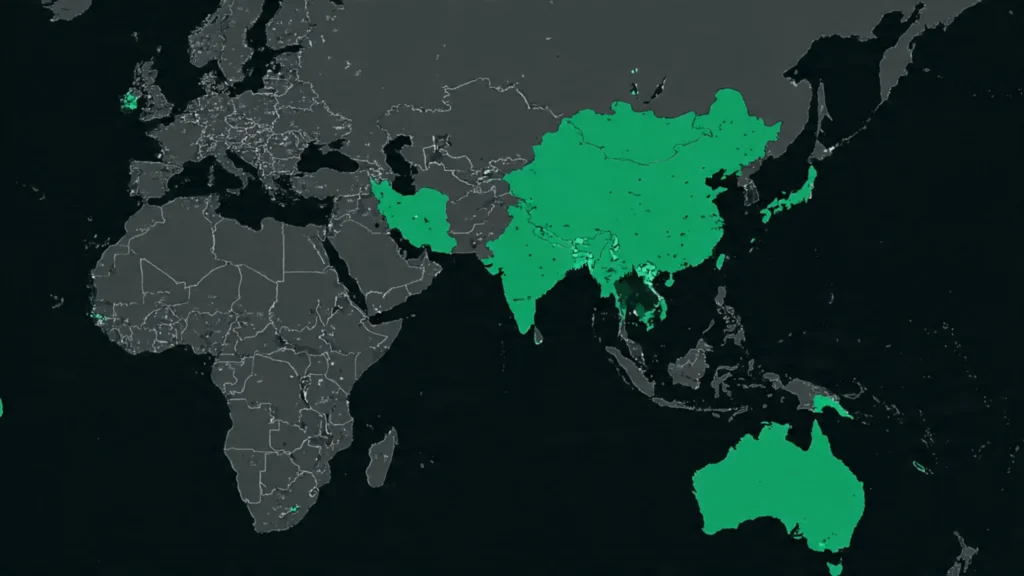
| Nationality | From eligible countries (see below) | Southeast Asia, South Asia, Northeast Asia, Pacific Islands |
Eligible Countries
You must be from one of the following countries or regions:
- Southeast Asia: Brunei, Cambodia, Indonesia, Laos, Malaysia, Myanmar, the Philippines, Singapore, Thailand, Timor-Leste, Vietnam
- South Asia: Bangladesh, Bhutan, India, Maldives, Nepal, Pakistan, Sri Lanka
- Northeast Asia: Japan, Mongolia, South Korea
- Pacific Islands: Marshall Islands, Palau, Tuvalu
Priority Sectors
Your work should fall within (or adjacent to) one of these thematic areas:
- Community development
- Environment and sustainability
- Education
- Women’s rights
- Civic engagement and human rights
- Emergency relief
- Disability inclusion
- Children and family welfare
- Social innovation and entrepreneurship
Outstanding applicants from other fields may also be considered — so don’t self-eliminate if your work sits slightly outside this list.
How to Apply for the 2026 NGO Fellowship
The application process is online. Here’s what you need to know — and more importantly, what you need to do.
| Detail | Info |
|---|---|
| Application Deadline | June 1, 2026 |
| Format | Online application form (Google Forms) |
| Cohort Size | ~12 fellows (subject to funding) |
| Registration Link | forms.gle/GyGY8paRCCKgD2RG6 |
| FAQ Page | reurl.cc/zQAXN6 |
Tips to Write a Standout NGO Fellowship Application
Twelve spots. Hundreds of applicants (most likely). Here’s how I’d approach it if I were in your position:
- Be specific about your impact. Don’t say “I work in community development.” Say “I led a 3-year food security project in rural Nepal that reached 2,400 households.” Numbers and specificity win.
- Connect your background to the host NGO ecosystem. Taiwan has a vibrant civil society focused on democracy, gender equity, indigenous rights, and environmental issues. If your work intersects with any of these, say so explicitly.
- Have a collaboration idea ready. The fellowship asks you to propose a project at the end. Think about what that might look like before you apply — and hint at it in your application. It shows seriousness.
- Demonstrate independence. This isn’t a hand-held program. Emphasize moments where you’ve worked autonomously, managed ambiguity, or led without a supervisor guiding every step.
- Don’t overthink the Mandarin thing. It’s listed as an advantage, not a requirement. If you don’t speak Mandarin, don’t let it stop you.
Why This Fellowship Stands Out Among Global NGO Fellowships
There are a lot of NGO leadership fellowships out there. So what makes this one worth your attention specifically?
For starters, the placement model is unusually hands-on. Most fellowship programmes put you in training rooms with visiting lecturers. This one puts you inside an NGO — attending team meetings, contributing to actual projects, navigating a real organizational culture. That’s the kind of learning that sticks.
Second, Taiwan is a genuinely fascinating case study in civil society development. It’s a young democracy with a remarkably robust NGO ecosystem. The country has navigated issues around LGBTQ+ rights, indigenous rights, environmental policy, and cross-strait political tension — all while building institutions that many older democracies envy. Spending a month embedded there isn’t just professionally useful. It’s intellectually interesting.
Third — and I think this is underrated — the alumni network spans multiple countries across Asia and the Pacific. For development professionals, a regional peer network is genuinely one of the most valuable long-term assets you can build. The people you’ll meet during this fellowship are likely to be your collaborators, references, and co-applicants on future projects for years to come.
“The 12-person cohort isn’t a limitation — it’s the feature. Small cohorts create deep connections. You’re not networking; you’re building a team.”
Frequently Asked Questions About the 2026 NGO Fellowship Programme
Is this fellowship paid or do I need funding to participate?
The programme listing notes that the final participant quota depends on funding availability. For stipend and cost coverage details, check the official FAQ page at reurl.cc/zQAXN6 or contact Taiwan AID directly. Don’t assume — ask.
Can I apply if I work in a field not listed under priority sectors?
Yes. The programme explicitly states that “outstanding applicants from other fields will also be considered.” If your work has a clear social impact angle, make that case in your application.
Do I need to speak Mandarin to participate?
No. Proficiency in written and spoken English is required. Mandarin is listed as an advantage — useful but not a dealbreaker.
Is virtual or hybrid participation possible?
No. Full on-site participation in Taiwan is required for the entire programme duration (Oct 4 – Nov 1, 2026). Plan accordingly — visas, leave from work, everything.
What happens after the fellowship ends?
Fellows join an alumni network that facilitates continued cross-border collaboration and engagement within the broader Asian NGO ecosystem. You’re also expected to implement or advance the project proposal developed during the fellowship in your home country.
How competitive is the NGO Fellowship Programme selection?
With only 12 spots and a global applicant pool, competition is real. Focus on specificity, demonstrated impact, and a clear vision for how you’d use the experience. Generic applications don’t make the cut.
I’m from India / Bangladesh / Philippines — am I eligible?
Yes to all three. India and Bangladesh fall under South Asia; the Philippines is under Southeast Asia. All three countries are explicitly listed as eligible.
A Final Word Before You Click Apply
Here’s the thing about opportunities like this: the people who get in are usually not the most qualified in the traditional sense. They’re the ones who actually applied — and applied thoughtfully.
The June 1st deadline feels far away until it suddenly doesn’t. Taiwan is one of the most interesting places in Asia to study civil society right now. The cohort is small enough to be meaningful. And the combination of field placement, workshops, a roundtable, and an alumni network makes this one of the more complete fellowship formats I’ve seen at the NGO level.
If you have three or more years of NGO experience, fall in the eligible region, and can commit to a month in Taipei — this is worth the application time. Read the FAQ, prepare your materials, and get that form submitted before June 1st.
And if you get in? I’d genuinely love to hear about it.
Ready to Apply?
The 2026 NGO Fellowship Programme deadline is June 1, 2026. Applications are submitted via the official online form. Check the FAQ for any remaining questions before applying.Apply Now — Official Form ↗
Disclaimer: This blog post is for informational purposes only. For official programme details, eligibility confirmation, and stipend information, please refer to Taiwan AID’s official communications and the FAQ at reurl.cc/zQAXN6. Application details are subject to change.