• Skip to primary navigation
  • Skip to main content

CHEVENING SCHOLARSHIP

  • SCHOLARSHIPS
  • FELLOWSHIPS
  • Internships
  • GUIDES

SCHOLARSHIPS

£10,000 Europe Postgrad Chancellor Scholarships 2027 Open at Birmingham University

April 4, 2026 by Amina Shah

Are you looking for £10,000 Europe Postgrad Chancellor Scholarships 2027? Let me be honest with you — finding a £10,000 scholarship to study in the UK as a European student post-Brexit feels a little like finding a great parking spot in central London. You’ve heard they exist. You’ve never actually seen one. And then, suddenly… there it is.

The University of Birmingham Europe Postgraduate Chancellor’s Scholarship 2027 is exactly that. A real, substantial financial award — up to £10,000 off your tuition fees — for high-achieving European students who want to study a full-time Masters in the UK without completely emptying their savings account. It’s not a rumor. Applications are open right now.

So let’s break it all down, clearly and honestly, because this is one of those opportunities you don’t want to miss because you misread a deadline or forgot to pay a deposit.
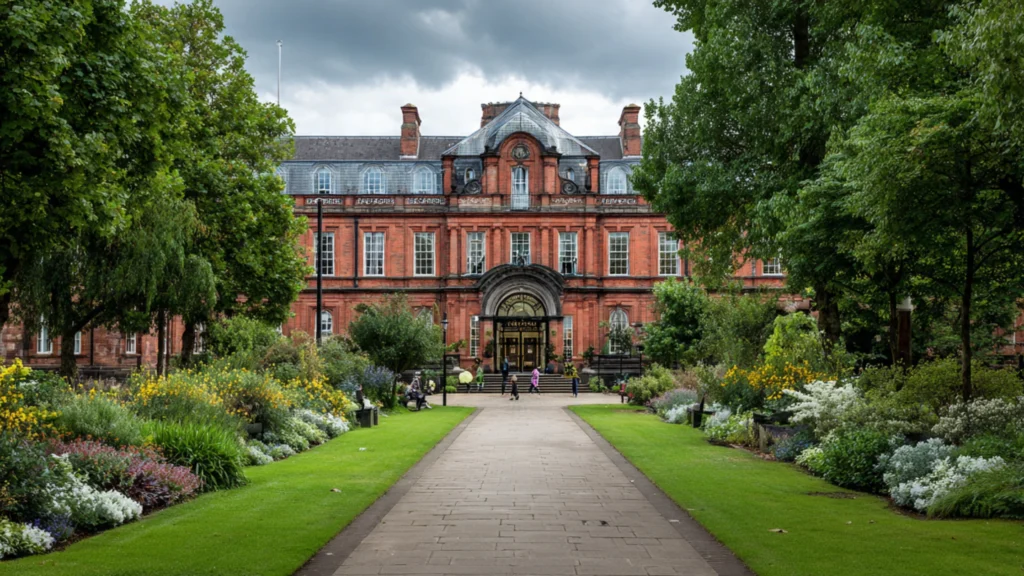
University of Birmingham Edgbaston campus main entrance with green grounds

What Exactly Is the Birmingham Chancellor’s Scholarship?

The Birmingham Europe Postgraduate Chancellor’s Scholarship is a merit-based tuition fee reduction worth up to £10,000, awarded to international-fee-paying students from select European countries who are starting a full-time postgraduate taught Masters at the University of Birmingham in September 2026 (2026/27 academic year).

It sits within Birmingham’s wider £33 million scholarship and student support portfolio — which is genuinely impressive and tells you something about how seriously this university takes international recruitment. Unlike many UK universities that quietly retreated from European-focused funding after Brexit, Birmingham has doubled down. There are separate Chancellor’s Scholarship streams for West Africa, South Asia, Bangladesh, and now Europe. Each one calibrated differently. That’s not accidental — that’s strategy.

And for European students currently staring down tuition fees that can exceed £25,000 per year (yes, EU nationals now pay international rates since Brexit), £10,000 off is not symbolic. It’s material. It changes the math.

Fully Funded Scholarships

Who Is Actually Eligible? (Read This Carefully)

map of Europe with eligible countries highlighted — France Germany Italy Malta Netherlands Norway Spain

This is where most people get confused, so I’ll walk you through it step by step.

Route 1: Country of Domicile

You’re eligible if you are permanently domiciled (i.e., actually living, not just a passport holder) in one of these seven countries:

  • 🇫🇷 France
  • 🇩🇪 Germany
  • 🇮🇹 Italy
  • 🇲🇹 Malta
  • 🇳🇱 The Netherlands
  • 🇳🇴 Norway
  • 🇪🇸 Spain

That’s it. If you permanently live in one of those countries, you’re in the eligible pool — regardless of nationality. So a Brazilian student living in Amsterdam? Potentially eligible. A Finnish student living in Berlin? Same deal.

Route 2: Partner University Alumni or Current Student

This is the route that often gets overlooked — and it’s frankly one of the more interesting aspects of this scholarship.

Students and alumni from eight named partner universities can also apply, regardless of where they’re domiciled:

Partner UniversityCountry
KU LeuvenBelgium
Leiden UniversityNetherlands
Lund UniversitySweden
University College DublinIreland
University of AmsterdamNetherlands
University of HelsinkiFinland
University of Paris-SaclayFrance
University of ZurichSwitzerland

A portion of the awards are ring-fenced specifically for applicants from these institutions. If you graduated from Lund or did your undergrad at Leiden, that’s not just a nice bonus — it’s a genuine competitive advantage.

Universal Requirements (Everyone Must Meet These)

Beyond your country or university background, you also need to:

  • ✅ Be classified as an overseas fee payer by Birmingham
  • ✅ Hold an offer for a full-time, 180-credit postgraduate taught Masters starting September 2026
  • ✅ Have accepted an unconditional offer and paid the £3,000 tuition deposit by 30 June 2026
  • ✅ Be studying an eligible programme (LLM, MA, MSc, MPH, MEd, MBA, MPA — full list on Birmingham’s site)
  • ✅ Have sufficient funds for living costs, visa, and travel

What’s NOT eligible: Distance learning degrees, MPhil, MRes, PhD programmes, integrated Masters, postgraduate certificates or diplomas. And if you’re already registered and studying at Birmingham — this particular scholarship isn’t for you.

Why Birmingham? Is It Worth It?

Fair question. Let’s look at the numbers without the brochure-speak.

MetricBirmingham’s Position
QS World University Rankings 202576th globally
Times Higher Education 202698th globally
QS Subject Top 507 subjects
Graduate Employer TargetingOne of top 2 UK universities

Seven subjects in the QS global top 50. Named alongside just one other UK university as most targeted by leading graduate employers. That’s not fluff — that’s the kind of data that matters when you’re weighing £25,000+ in tuition against your career trajectory.

The Edgbaston campus is also — and I say this having visited many UK campuses — genuinely beautiful. The redbrick architecture, the cricket ground next door, the proximity to Birmingham city center without being in it. It’s the kind of place that actually feels like a university.
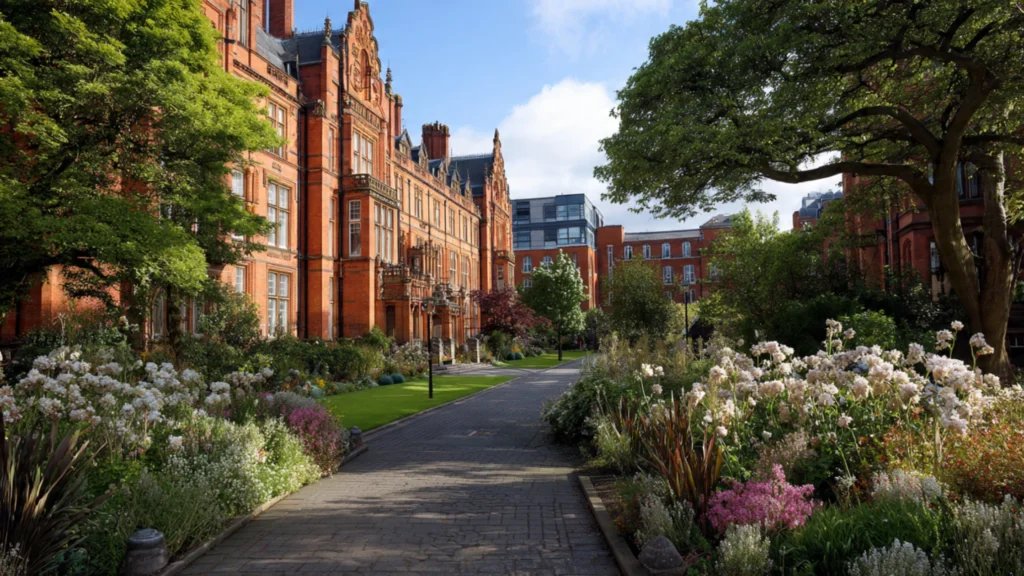
University of Birmingham Edgbaston redbrick buildings and green campus grounds

How to Apply — The Exact Process

There’s no elaborate essay requirement here. No personal statement. No recommendation letters. The Birmingham Chancellor’s Scholarship application is refreshingly straightforward.

Step 1: Receive an offer from Birmingham for an eligible Masters programme (if you haven’t applied yet — do that first at birmingham.ac.uk/postgraduate).

Step 2: Accept your unconditional offer and pay the £3,000 tuition deposit before 30 June 2026.

Step 3: Complete the online scholarship application form on Birmingham’s website. You’ll be asked about your undergraduate academic record and the postgraduate programme you’ve been offered.

Step 4: Wait. Decisions are announced in late July or early August 2026.

One important thing to note: unsuccessful applicants will not receive individual notifications. If you haven’t heard back within four weeks of the deadline, assume the application was unsuccessful. Slightly brutal, but at least you know what to expect.

Key Dates at a Glance

calendar graphic with key dates marked
EventDate
Applications OpenNow (April 2026)
Scholarship Application Deadline30 June 2026, 23:59 UK time
Tuition Deposit Deadline30 June 2026
Results AnnouncedLate July / Early August 2026
Programme StartSeptember 2026

Write that June 30th date somewhere you’ll actually see it. On your bathroom mirror, if that’s what it takes.

Tips to Strengthen Your Application

student studying at a desk with laptop and notes — academic setting

Since the scholarship is awarded purely on academic merit, this comes down to one thing: your academic record. There’s no interview, no essay, no extracurricular checklist. But here are a few things worth knowing:

1. Apply to Birmingham early. You need an unconditional offer before you can apply for the scholarship. The earlier you apply to your course, the more time you have to sort out the deposit and scholarship form.

2. Pay the £3,000 deposit on time — no exceptions. This is a hard requirement. Without it, you cannot apply. Start thinking about how you’ll fund this deposit well in advance, especially if you need to transfer funds internationally.

3. Be precise about your domicile. “Domicile” means permanent residence, not citizenship. If you hold a Dutch passport but currently live in Portugal, you may not qualify via the country route. Check this carefully.

4. Partner university alumni — highlight your affiliation clearly. If you attended KU Leuven, Leiden, Lund, or any of the eight partners, make sure this is clearly stated. A portion of the scholarship pool is ring-fenced for you — that’s a genuine structural advantage.

5. Check your programme is on the eligible list. Not all Masters degrees at Birmingham qualify. The 180-credit requirement is key, and specific eligible programmes are listed on Birmingham’s scholarship page. Double-check before you apply.

Is This Scholarship Worth Pursuing Compared to Continental Alternatives?

Let’s be real with each other for a second. Many European universities — in Germany, Norway, the Netherlands — still offer tuition-free or very low-cost Masters programmes. A £10,000 scholarship at Birmingham doesn’t eliminate the cost gap. It reduces it.

So is it still worth it? For many students, yes — and here’s why:

  • English-language instruction opens more global career doors
  • Birmingham’s graduate employer targeting record is genuinely exceptional
  • UK degree recognition carries specific weight in certain industries and geographies
  • Edgbaston’s campus culture and research environment is a legitimate differentiator
  • The partner university pipeline means your Birmingham degree slots into an existing academic network

It’s not a perfect financial proposition. But it’s one of the stronger ones available for European postgraduates considering a British university right now — especially for those from the eight partner institutions who have a ring-fenced advantage.

FAQs: Quick Answers to Common Questions

Q: Can I apply if I’m from Sweden or Denmark? Not via the country route — those countries aren’t on the eligible list. However, if you attended Lund University (Sweden), you qualify via the partner university route.

Q: Is the scholarship automatically applied to my fees? Yes — it’s awarded as a tuition fee reduction, not a cash payment to you directly. Your tuition invoice will be updated accordingly.

Q: Can I defer my entry and still receive the scholarship? No. The scholarship is specifically for students commencing in September 2026. Deferring your entry means you’d need to reapply in a future cycle.

Q: What if I’m studying online? Distance learning degrees are explicitly excluded. This scholarship is for on-campus, full-time study at Edgbaston only.

Q: Who do I contact for questions? Email Birmingham’s European Recruitment Team directly: europe@contacts.bham.ac.uk

Final Word

The Birmingham Europe Postgraduate Chancellor’s Scholarship 2027 is one of the few genuinely substantial European-focused awards available at a top-100 UK university right now. It won’t cover everything — but paired with Birmingham’s graduate employment record and academic standing, it represents a meaningful financial and career investment.

The deadline is 30 June 2026. The deposit requirement means you need to move fast. If you’re a high-achieving student from France, Germany, Italy, Malta, the Netherlands, Norway, or Spain — or a graduate of one of Birmingham’s eight European partner universities — this is worth your time.

Go check your eligibility. Start your Birmingham application if you haven’t. And don’t forget to pay that deposit.

Questions? Explore Birmingham’s full scholarship portfolio at birmingham.ac.uk/postgraduate or reach out to the European team at europe@contacts.bham.ac.uk.


Filed Under: SCHOLARSHIPS

Finland Scholarship : Everything You Actually Need to Know

April 4, 2026 by Amina Shah

Let me be honest with you right from the start — Finland is not handing out free money like it’s Black Friday. But here’s the thing: the Finland scholarship landscape is richer, more nuanced, and more achievable than most students realize. With the right information and a little strategic thinking, funding your studies at one of Europe’s top education systems is genuinely within reach.

I know what you’re thinking: “Finland? Isn’t it freezing? And expensive?” Yes, to the first. But expensive? That’s exactly what the right Finland scholarship can fix. So let’s cut through the noise and get you properly informed — from the government schemes to the university-level waivers that actually pay your tuition.

“Finland’s universities consistently rank among the world’s best. And unlike many countries, Finnish degrees open doors across all of Europe and beyond.”

Chevening Scholarships

Why Finland, Though?

Fair question. With dozens of study-abroad destinations competing for your attention, why should Finland be on your shortlist? Here’s a quick reality check: Finland boasts 13 universities and 22 universities of applied sciences (UAS), offering over 500 English-taught degree programs. The country has ranked among the world’s best for education quality, literacy, and innovation — consistently. More than 20,000 international students already call Finland home during their studies.

And if you’re a non-EU/EEA student? That’s where it gets interesting. You’ll need to pay tuition, yes — but that’s precisely where Finland scholarships step in. The question isn’t whether scholarships exist. The question is whether you know where to find them.

Helsinki University main building in autumn — a classic red brick facade with students walking

The Truth About Finland Government Scholarships

Here’s the one thing most blog posts won’t tell you clearly: there is no single “Finland Government Scholarship” that any international student can apply to directly for bachelor’s or master’s studies. What does exist is a Finnish Government Scholarship Pool — but that one is only for doctoral-level researchers, not master’s students.

So what about the dozens of articles screaming “Finland Government Scholarship 2026 — Apply Now”? Take those with a large grain of salt. The actual government-backed funding primarily comes through:

  • EDUFI Fellowships — for doctoral and postdoctoral researchers
  • Fulbright Finland Foundation — for US–Finland exchanges
  • Finlandia Foundation National — for US and Finnish citizens pursuing higher education
  • University-level scholarships and tuition fee waivers — the real goldmine for most students

⚠ Scam Alert

If any website or agent is charging you to apply for a “Finland Government Scholarship” — walk away. No legitimate Finnish scholarship program charges application fees. Report suspicious sites and protect your personal data.

Types of Finland Scholarships Available in 2026

Let’s organize this properly. Here’s a breakdown of the real scholarship categories available to international students heading to Finland:

Scholarship TypeWho It’s ForCoverageStatus
University Tuition Fee WaiverNon-EU/EEA master’s students50% or 100% tuitionOpen
EDUFI Doctoral FellowshipPhD-level researchers, all nationalitiesStipend + living supportOpen
Finnish Government Scholarship PoolDoctoral researchers onlyResearch stipendOpen
Finlandia Foundation NationalUS or Finnish citizens$1,000–$3,000 per yearDeadline: Feb 1, 2026
Fulbright Finland (US Students)US citizens for study/research in FinlandFully fundedOpens March 31, 2026
Erasmus Mundus ProgramsAll international studentsFull tuition + stipendVaries by program

Finland Scholarship for Pakistani Students — and Indian, Nigerian, Bangladeshi Students Too

One of the most common questions I hear is whether Finland has country-specific scholarships. The short answer: most scholarships are open to all nationalities, which is actually good news. You’re not competing in a smaller pool — you’re competing on academic merit, regardless of your passport.

That said, here’s what students from Pakistan, India, Nigeria, Bangladesh, and other non-EU countries need to know specifically:

  • You will be required to pay tuition fees as a non-EU/EEA student (unless you get a waiver)
  • Tuition fees at the University of Helsinki range from €13,000 to €18,000 per academic year
  • Scholarship applications are usually bundled with your admission application — no separate portal needed
  • English proficiency is required; however, several Finnish universities accept a Medium of Instruction (MOI) letter instead of IELTS

💡 Pro Tip for Non-EEA Students

When applying for your Finland student visa, you’ll need proof of sufficient funds (around €560/month minimum). If you have a tuition fee waiver letter from your university, include it — it significantly strengthens your visa application.

University-Level Finland Scholarships: Where the Real Opportunity Lives

Here’s the honest truth that most applicants miss: university scholarships and tuition fee waivers are the most accessible and generous funding source in Finland. Every university and every UAS offers some form of scholarship for exceptional non-EU/EEA students. The key word there is exceptional — these are competitive, merit-based awards.

Let’s look at how some of the top universities structure their scholarships:

University of Helsinki

Helsinki offers 50% or 100% tuition fee waivers for outstanding non-EU/EEA master’s students. The application happens automatically through the admission process — but only a very limited number of full waivers are available. Most waivers cover 50% of tuition. You’re still responsible for living costs (approximately €800–€1,000/month in Helsinki).

University of Oulu

Oulu runs annual tuition fee waiver rounds for international master’s students. Application deadlines typically fall in late January each year.

LUT University, Tampere, Aalto, and Others

All participating universities offer scholarship opportunities bundled with the admission application. You do not need to contact professors or apply separately in most cases. Simply select your program, apply by the deadline, and indicate scholarship interest on your form.

Students studying inside a modern Finnish university library — open plan bright windows Nordic design

Key Application Deadlines for 2026

UniversityApplication WindowProgramme Link
Aalto UniversityNov 30, 2025 – Jan 2, 2026aalto.fi/en
University of HelsinkiDec 1, 2025 – Jan 3, 2026helsinki.fi/en/admissions
University of OuluJan 3–17, 2026oulu.fi/university/masters
Tampere UniversityDec 5, 2025 – Jan 3, 2026tuni.fi/en
LUT UniversityDec 1, 2025 – Jan 19, 2026lut.fi/web/en/admissions
University of JyväskyläJan 5–19, 2026jyu.fi/en/apply
University of TurkuJan 5–19, 2026utu.fi/en
University of Eastern FinlandDec 1, 2025 – Jan 19, 2026uef.fi/en/how-to-apply

Note: Most deadlines above apply to the 2025–26 intake cycle. For the 2026–27 intake, expect similar windows (December–January). Always verify directly on the university website.

How to Apply for a Finland Scholarship: Step by Step

One of the genuinely great things about the Finnish system is how streamlined it is. No separate scholarship portals, no emailing random professors, no confusion. Here’s the clean process:

  1. Find your programme — Use studyinfo.fi or visit individual university websites to shortlist English-taught programs that match your background.
  2. Check scholarship availability — Look for the “scholarship” or “tuition fee waiver” section on your chosen programme’s application page.
  3. Submit your admission application — The annual joint application period is typically in January. Apply through Studyinfo.fi or directly on the university portal.
  4. Indicate scholarship interest — Most forms include a checkbox or section to express scholarship interest. Don’t skip this.
  5. Upload supporting documents — Academic transcripts, proof of English proficiency (IELTS, TOEFL, or MOI letter), motivation letter, and CV.
  6. Wait for results — Universities evaluate applications on academic merit. Scholarship decisions are typically communicated alongside or shortly after admission decisions.

Finland Scholarships Without IELTS: Is It Possible?

Yes — and this is genuinely underappreciated. Several Finnish universities accept students without an IELTS or TOEFL score if:

  • Your native language is English, or
  • Your previous degree was taught in English at an institution in the EU/EEA, Canada, Australia, New Zealand, or the USA, or
  • Your university provides a Medium of Instruction (MOI) letter confirming your program was conducted in English

Universities like LAB University of Applied Sciences, Metropolia, HAMK, LUT, and Hanken School of Economics all have IELTS-waiver provisions. Always confirm with the specific program before applying.

Can You Work While on a Finland Scholarship?

Here’s a practical question that matters more than most scholarship articles acknowledge: yes, you can work. Finland allows international students to work up to 30 hours per week during the academic year and without limits on field-related internships once you have a work permit.

That said, don’t plan on working your way through a Finnish master’s degree. Finding part-time work without Finnish language skills is genuinely difficult, especially in smaller cities. Your primary focus should remain your studies. Think of part-time work as a supplement to cover personal expenses — not as a funding strategy for tuition.

💰 Monthly Budget Reality

Expect to budget approximately €800–€1,200/month for living costs in Finland, depending on the city. Helsinki is most expensive; cities like Joensuu, Lappeenranta, or Jyväskylä are significantly more affordable. Tuition fee waivers cover tuition only — living costs must come from your own funds or part-time work.

Writing a Winning Finland Scholarship Motivation Letter

Your motivation letter is where scholarships are won or lost. Finnish universities receive thousands of applications — they want to see genuine purpose, not a copy-pasted template. Here’s what actually works:

  • Be specific about your programme choice. Why this university? Why this exact program? Generic praise for “Finland’s excellent education” won’t cut it.
  • Connect your past to your future. Show how your academic background logically leads to this degree and where it will take you professionally.
  • Address financial need where relevant. Some scholarship criteria explicitly consider economic background — don’t be shy about mentioning it if applicable.
  • Keep it under 1 page. Finnish culture values clarity and efficiency. A tight, focused letter is more impressive than a sprawling essay.
  • Proofread obsessively. Grammar errors in an English-proficiency-required application look terrible. Have a native speaker or language tool check your letter.

Finland Scholarship FAQs

Is there a fully funded Finland scholarship that covers everything?

Full tuition coverage plus living costs in a single scholarship is extremely rare for bachelor’s and master’s levels. EDUFI Fellowships and Erasmus Mundus programs come closest for doctoral-level or specific joint programs. For most master’s students, the realistic best-case is a 100% tuition waiver — living costs remain your responsibility.

Can I apply for a scholarship after I’ve already received admission?

Scholarship applications at most Finnish universities run concurrently with the admission application. If you missed the scholarship window during admission, check your university’s website for any in-study awards or external grant opportunities. Some universities also offer scholarships based on academic progress once you’ve started your studies.

Do Finland scholarships exist for bachelor’s programs?

Yes, though they’re less common than master’s scholarships. Several universities offer tuition fee waivers for their English-language bachelor’s programs (e.g., University of Helsinki’s bachelor’s programs are €13,000/year with waiver options). The number of waivers available at bachelor’s level is typically smaller.

What fields have the most Finland scholarship opportunities?

Engineering, computer science, business, and STEM fields tend to have the most scholarships available due to strong industry partnerships and faculty funding. Arts and humanities scholarships exist but are fewer in number.

How competitive are Finland scholarships?

Very. Tuition fee waivers are awarded to a small fraction of applicants — often the top 5–15% based on academic performance, motivation, and prior achievements. A GPA above 3.5/4.0 (or equivalent) is typically expected for serious consideration.

Is there a Finland scholarship specifically for women?

Finland prioritizes gender equality across its education system, but there isn’t a widely available scholarship exclusively for women at the national level. However, several international programs (including some Erasmus Mundus partnerships) offer scholarships with gender equity components. External organizations like AAUW and Soroptimist International also offer scholarship support for women studying abroad.


10 Proven Tips to Win a Finland Scholarship

  1. Apply early — don’t wait for the last day. Early applications demonstrate seriousness and give you time to fix document issues.
  2. Apply to multiple universities. Don’t bank on one. Finland’s centralized system makes it easy to apply to several programs simultaneously.
  3. Choose your program wisely. Apply for programs where your academic background is genuinely strong — not just where the scholarship sounds good.
  4. Write a tailored motivation letter for each institution. Generic letters are spotted immediately. Show you’ve done your research.
  5. Get strong letters of recommendation. For scholarships at institutions like the Finlandia Foundation, at least one letter must come from a faculty member on official letterhead.
  6. Highlight research output if you have any. Publications, conference presentations, or thesis work stand out significantly in competitive pools.
  7. Maintain language proficiency documentation. Whether it’s IELTS, TOEFL, or an MOI letter — get this sorted early. It’s a common bottleneck.
  8. Explore external scholarships too. Your home country’s government, international organizations like Rotary, or bilateral agreements with Finland may offer additional funding.
  9. Verify your scholarship status before applying for a visa. If you receive a waiver, get written confirmation from your university — Finnish immigration will want to see it.
  10. Stay realistic about living costs. Even with a full tuition waiver, budget for at least €800/month in living expenses. Have a plan before you arrive.

Ready to Start Your Finland Journey?

Begin by exploring programs on Studyinfo.fi — Finland’s official admissions portal. Choose your programme, check the scholarship section, and get your application documents ready. The January deadline comes fast.Explore Programs on Studyinfo.fi →

Final Thoughts

Getting a Finland scholarship isn’t magic — it’s preparation, strategy, and honesty about what’s actually available. The Finnish system rewards academic excellence, genuine motivation, and clear purpose. If you bring all three, you have a real shot.

Don’t let the noise of misleading “fully funded” headlines discourage you. Understand the landscape, apply smart, and go in with realistic expectations. Even a 50% tuition waiver at a world-class Finnish university is a genuinely remarkable opportunity.

Finland is waiting — and it’s worth every freezing, remarkable, sauna-filled minute of it. Good luck. 🇫🇮

This guide is intended for informational purposes only. Always verify scholarship details, deadlines, and eligibility directly with the relevant institutions and official Finnish government sources.

Sources: Study in Finland (studyinfinland.fi) · University of Helsinki · Finlandia Foundation National · Fulbright Finland Foundation · Finnish National Agency for Education (EDUFI)

Filed Under: SCHOLARSHIPS

How to Apply for UNCF Scholarships in 2026: The Complete Guide for Black Students

April 3, 2026 by Amina Shah

Let me ask you something: what would you do with an extra $5,000 — or even $20,000 — toward your college education? No loans. No debt. Just funding that recognizes your potential and gets out of your way so you can focus on what matters: graduating.

That’s exactly what the United Negro College Fund (UNCF) has been doing since 1944. And if you’re a Black student — whether you’re still in high school, knee-deep in undergrad, or eyeing a graduate program — this guide is for you.

Chevening Scholarships 2026

What Is UNCF? (And Why Does It Matter So Much?)

The United Negro College Fund, widely known as UNCF, is the nation’s largest private scholarship provider to minority group members. But calling it just a “scholarship fund” is like calling the Louvre “a building with some paintings.” The scope is staggering.

Here’s what that actually looks like in numbers:

StatFigure
Students helped since founding550,000+
Scholarships awarded annually$62 million+
Schools supported nationwide600+
HBCU member institutions37

UNCF’s tagline — “A Mind Is a Terrible Thing to Waste” — is one of the most recognized slogans in American history. And it’s not just a slogan. It’s a mission that has translated into real degrees, real careers, and real generational wealth for hundreds of thousands of families.

Who Can Apply for UNCF Scholarships?

This is the question I get most often, so let’s make it crystal clear. UNCF scholarships are designed primarily for African American students, though eligibility criteria vary by program. Here’s the general baseline:

  • U.S. citizenship or permanent residency (most programs)
  • Enrollment in an accredited HBCU or college — either as a current student or an incoming freshman
  • Minimum GPA — typically 2.5 to 3.0 depending on the scholarship
  • Demonstrated financial need (for need-based awards)
  • Full-time enrollment for most programs

“I owed a balance to my school that needed to be paid by the beginning of the year and my family and I had no idea where it was coming from. Then, we got a call that I was awarded a UNCF scholarship, and that allowed me to continue school.” — Tiara Gerald, Virginia Union University

The beauty of UNCF is its breadth. Whether you’re a nursing student, a future engineer, a law school aspirant, or a first-generation college student just trying to figure out how FAFSA works — there’s likely a program for you.

Top UNCF Scholarship Programs You Should Know

UNCF doesn’t run just one scholarship. It manages dozens of programs, each with its own focus area, award amount, and eligibility criteria. Here are some of the most significant ones:

1. UNCF General Scholarship

The flagship. Open to undergraduate students attending UNCF member HBCUs with a minimum 2.5 GPA and demonstrated financial need. Think of it as the front door — if you qualify, start here.

2. Frederick Douglass Bicentennial Scholarship Program

Named after one of history’s most powerful voices, this program honors legacy and academic excellence. Strong essay component. Worth researching if you have a compelling personal narrative.

3. Fund II Foundation UNCF STEM Scholars Program

Black students in STEM are chronically underfunded. This program specifically addresses that gap, supporting students in science, technology, engineering, and math fields. Competitive, but life-changing.

4. UNCF/Koch Scholars Program

A merit and leadership-focused award. Targets students with strong academic records and demonstrated community engagement.

5. Northern California Community Scholarship Program

A geographically targeted merit-based award for students from Northern California attending any accredited HBCU or UNCF member institution. Deadline: April 15, 2026 — so if you’re eligible, don’t sleep on this one.

6. Graduate & Doctoral Scholarships

UNCF isn’t just for undergrads. Graduate-level and PhD students can access funding through specialized programs with awards that recognize advanced academic pursuit.

UNCF Scholarships by Field of Study

One of UNCF’s greatest strengths is how niche it can get. Here’s a breakdown of specialized awards:

FieldProgram Focus
NursingUNCF nursing-specific scholarships through partner programs
STEMFund II Foundation STEM Scholars
LawLaw school scholarships for Black students
MedicineMedical school aid programs
MBAFunding for Black graduate business students
Study AbroadInternational learning opportunities with UNCF funding
ROTCMilitary scholarship combinations
Collage of UNCF scholarship recipients in various fields — nursing engineering law

How to Apply for UNCF Scholarships: Step by Step

Okay, here’s where we get practical. The UNCF application process isn’t wildly complicated, but it does reward students who are organized and thorough. Let’s walk through it.

Step 1: Create Your UNCF Account

Go to uncf.org and create a student profile. This is your central hub — once you’re in, you can browse scholarships, track deadlines, and submit applications all in one place.

Step 2: Complete Your Profile Fully

Don’t half-do this. Your profile includes:

  • Academic information (GPA, enrollment status, major)
  • Financial information (household income, FAFSA status)
  • Personal background (first-generation status, geographic info)

A complete profile means UNCF can automatically match you with scholarships you’re eligible for. Incomplete = missed opportunities.

Step 3: Connect Your FAFSA

Many UNCF scholarships use your FAFSA data to verify financial need. Make sure your FAFSA is filed and your Student Aid Report (SAR) is ready. If you haven’t filed FAFSA yet — do that first.

Step 4: Browse and Select Programs

Once your profile is live, use the scholarship search tool. Filter by field of study, award type (merit vs. need-based), and deadline. Apply to every program you’re eligible for. This isn’t the time for false modesty.

Step 5: Write Your Essays

This is where most students either win or lose the scholarship. UNCF essays typically ask about:

  • Your academic and career goals
  • How the scholarship will impact your life
  • Community involvement and leadership

Write personally. Write specifically. Generic essays don’t win scholarships.

Step 6: Gather Supporting Documents

Typical requirements include:

  • Official transcripts
  • Recommendation letters (usually 2)
  • Proof of enrollment or acceptance letter
  • Financial aid documentation

Step 7: Submit — and Submit Completely

UNCF is explicit about this: you will not be considered for a scholarship until you submit all required information and essays. Read that again. Partial applications don’t count.

UNCF Scholarship Deadlines for 2026

Deadlines are non-negotiable. Here’s a snapshot of key timing:

Program TypeGeneral Timeline
Spring cycle scholarshipsApril–May 2026
Northern California ScholarshipApril 15, 2026
Fall cycle scholarshipsAugust–October 2026
Rolling applicationsCheck individual program pages

Pro tip: Set calendar reminders 30 days and 7 days before each deadline. Then set one more for 48 hours out. Scholarship applications submitted at 11:58 PM the night of the deadline are still valid — but you really don’t want to be that person.

GPA Requirements: What Do You Actually Need?

Here’s a common misconception: that UNCF scholarships are only for students with perfect 4.0 GPAs. That’s not true.

  • Minimum 2.5 GPA — required for the UNCF General Scholarship and many others
  • 3.0 GPA — required for more competitive merit-based programs
  • No GPA floor — some emergency aid and need-based programs focus entirely on financial situation

The 2.5 GPA threshold opens the door for a huge range of students. If your grades aren’t perfect but you’re demonstrating resilience, upward trajectory, or exceptional circumstances — put that in your essay.

UNCF vs. Other Minority Scholarship Programs

How does UNCF stack up against other major scholarship organizations? Let’s compare:

OrganizationAnnual FundingFocusGPA Minimum
UNCF$62M+Black students / HBCUs2.5
Hispanic Scholarship Fund$35M+Hispanic/Latino students3.0
Thurgood Marshall Fund$13M+HBCU students (public)3.0
Gates Scholarship$300M+All minorities (competitive)3.3

UNCF wins on sheer volume and accessibility for Black students specifically. The lower GPA floor and the broad scope of eligible institutions make it the most inclusive option for African American undergrads.

Graphic showing comparison of scholarship funding amounts across organizations

UNCF Member HBCUs: Is Your School on the List?

UNCF supports students at 37 member HBCUs — a prestigious network of historically Black colleges and universities. Some of the most notable include:

  • Spelman College (Atlanta, GA)
  • Morehouse College (Atlanta, GA)
  • Howard University (Washington, D.C.)
  • Fisk University (Nashville, TN)
  • Tuskegee University (Tuskegee, AL)
  • Virginia Union University (Richmond, VA)
  • Xavier University of Louisiana (New Orleans, LA)

But here’s the thing — you don’t have to attend an HBCU to access UNCF funding. Many programs are open to Black students at any accredited institution across the country. The HBCU connection is a bonus, not a requirement.

UNCF Emergency Aid: When Things Go Sideways

Life doesn’t pause for semesters. Medical emergencies, family crises, sudden loss of income — these things happen, and they shouldn’t mean the end of your education.

UNCF offers emergency financial aid for students facing unexpected hardships. The process is expedited compared to regular scholarships. If you’re in a bind, don’t wait — reach out through the UNCF portal immediately.

This isn’t a widely advertised program, which means fewer students apply. If you’re eligible, your odds are better than you think.

First-Generation Students: UNCF Has Your Back

If you’re the first in your family to attend college, you’re navigating a system that wasn’t built with you in mind. UNCF understands that. There are dedicated programs for first-generation students that go beyond money — including:

  • Mentorship connections with UNCF alumni
  • Career development resources
  • Professional networking opportunities
  • Webinar series covering everything from financial aid to internship applications

The UNCF Community Webinar Series (upcoming dates in April 2026) is particularly valuable. Grab a spot if you can.

Tips to Strengthen Your UNCF Application

Let me give you the inside track — the stuff that actually moves the needle:

1. Apply early, not at the deadline. Systems crash. Documents get lost. Early submission gives you time to fix problems.

2. Tailor every essay to the specific scholarship. A generic response about “wanting to help my community” won’t cut it. Name the program. Explain exactly why this scholarship, this mission, this organization aligns with your goals.

3. Get strong recommendation letters. Ask professors or mentors who know your work specifically — not just your nicest teacher. Give them a brief paragraph about the scholarship and why you’re a strong fit.

4. Update your profile throughout the year. Scholarships open on rolling bases. A profile that reflects your latest achievements catches more opportunities.

5. Look for no-essay options. Yes, UNCF does have some programs that don’t require essays. These are lower-competition and require less time investment. Don’t overlook them.

Finding UNCF on Scholarship Platforms

If you’re building a broader scholarship strategy — which you should be — you can also find UNCF scholarships listed on platforms like Fastweb, Scholarships.com, and College Board’s Scholarship Search. These aggregate databases can surface UNCF programs you might miss by browsing UNCF.org alone.

That said, always verify details and submit through uncf.org directly. Third-party platforms sometimes have outdated information on deadlines and eligibility.

The Real Value of a UNCF Scholarship

Beyond the dollar amount — and the dollar amounts are significant — a UNCF scholarship carries weight that follows you long after graduation.

You become part of a network of 550,000+ alumni who have walked this path. You get access to career development resources, professional connections, and an organization that continues to advocate for Black excellence in higher education.

The financial relief is real. A UNCF scholarship might be the difference between staying enrolled and dropping out. Between graduating on time and taking on crushing debt. Between a dream deferred and a dream achieved.

Final Thoughts: Don’t Leave Money on the Table

Here’s the uncomfortable truth about scholarships: billions of dollars go unclaimed every year because students either don’t know they exist or assume they won’t qualify.

UNCF scholarships are competitive — but they’re not impossible. With more than $62 million awarded annually across 600+ schools, there are awards for students at every academic level, from every background, in every field of study.

The only way you definitely won’t get one is if you don’t apply.

So create that profile. Complete it fully. Find the programs that fit. Write essays that actually sound like you. And hit submit before that April 15 deadline.

Your education is worth fighting for. UNCF is one of the best tools you have.

Frequently Asked Questions

Q: Can international students apply for UNCF scholarships? Most UNCF programs require U.S. citizenship or permanent residency. A small number of programs may accommodate international students — check individual program requirements carefully.

Q: What GPA do I need for UNCF scholarships? The minimum is typically 2.5 for general scholarships, and 3.0 for more competitive merit programs. Some need-based emergency aid programs have no GPA requirement.

Q: Can I apply if I don’t attend an HBCU? Yes. Many UNCF scholarships are open to Black students at any accredited college or university in the United States, not just HBCU member schools.

Q: When is the UNCF application deadline for 2026? Deadlines vary by program. The Northern California Community Scholarship closes April 15, 2026. Check uncf.org regularly for updated deadline information.

Q: Does UNCF offer graduate scholarships? Yes — UNCF has dedicated programs for graduate students, including master’s, law, medical, MBA, and doctoral candidates.

Q: Is UNCF only for need-based students? No. UNCF offers both need-based and merit-based scholarships. Some programs require demonstrated financial need; others focus primarily on academic achievement and leadership.

Ready to apply? Visit uncf.org to create your profile and browse open scholarships. Don’t forget to check the April 2026 deadlines — some are closing soon.

Filed Under: SCHOLARSHIPS Tagged With: African American scholarships, Black student scholarships, HBCU scholarships, how to apply for UNCF, minority scholarships, scholarships for Black students, UNCF 2026 deadlines, UNCF scholarships

Scholarships for International Students:Your Dream, Fully Funded

April 2, 2026 by Amina Shah

Let me be real with you for a second. When I first started researching international student scholarships, it felt like staring at a map with no compass. There were thousands of options, dozens of deadlines, and enough acronyms — DAAD, MEXT, VLIR-UOS — to make your head spin. But here’s the thing: studying abroad on a scholarship is genuinely achievable. Not just for the top 0.1% of geniuses. For students exactly like you.

Whether you’re eyeing a fully funded masters scholarship, hunting for PhD funding, or just want to know which undergraduate scholarships for international students don’t require you to write a 3,000-word essay about your life philosophy — this guide has you covered. Grab a coffee. Let’s do this.

Quick Stat

Over $300 billion in scholarship funding goes unclaimed every year globally — largely because students either don’t know it exists or don’t apply. You’re already ahead just by reading this.

What Exactly Are International Student Scholarships?

Simply put, international student scholarships are financial awards given to students who want to study in a country that isn’t their home. They can come from governments, universities, private organizations, or NGOs — and they range from covering just your tuition to funding absolutely everything: tuition, accommodation, flights, living costs, health insurance, and sometimes even a research travel allowance.

The big categories you’ll encounter:

  • Fully funded scholarships — the holy grail. 100% covered, zero debt. Think Fulbright, Chevening, DAAD.
  • Partial scholarships — cover tuition or living costs, but not both. Still incredibly valuable.
  • Merit-based scholarships — awarded for academic excellence, leadership, or talent.
  • Need-based scholarships — for students from lower-income backgrounds who need financial support.
  • Country-specific scholarships — tied to studying in a particular country (like Germany or Canada).
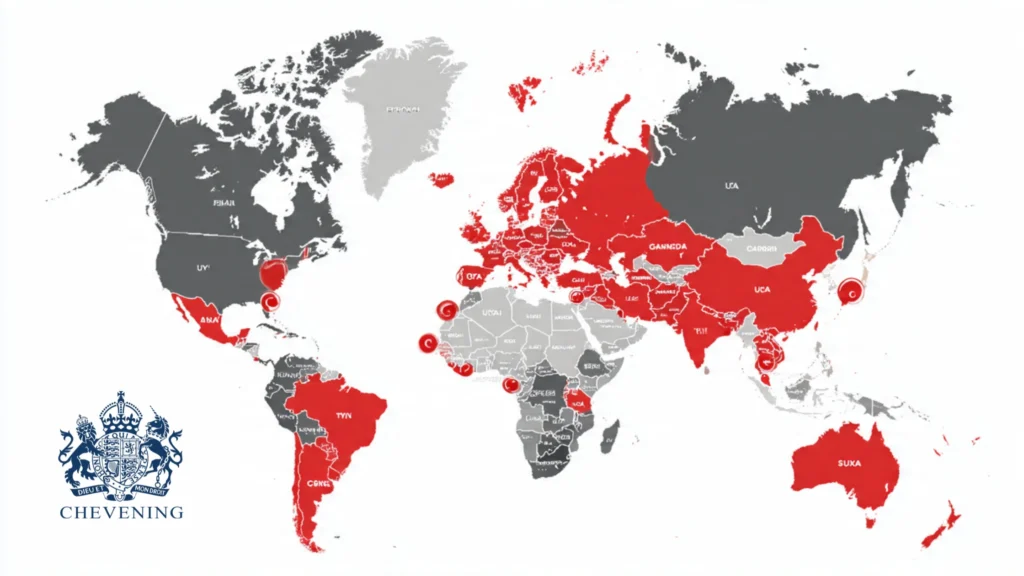
World map with scholarship destination countries highlighted USA UK Germany Canada Australia Japan

The World’s Most Prestigious Scholarships for International Students

Alright, let’s get into the programs everyone talks about — and for good reason. These are the gold-standard, reputation-building, life-changing scholarships that could take you from wherever you are right now to Oxford, MIT, or Humboldt University.

Yeh aapka data ek clean table format mein:

Program NameCountry / LocationFunding Type
Fulbright ProgramUnited States 🇺🇸Fully Funded
Chevening ScholarshipUnited Kingdom 🇬🇧Fully Funded
DAAD ScholarshipGermany 🇩🇪Fully Funded
Vanier CGSCanada 🇨🇦Fully Funded
Australia AwardsAustralia 🇦🇺Fully Funded
Erasmus MundusEurope (Multi-country) 🌍Fully Funded
Rhodes ScholarshipOxford, UK 🇬🇧Fully Funded
MEXT ScholarshipJapan 🇯🇵Fully Funded

“The Fulbright isn’t just a scholarship — it’s a network, a community, and a launchpad. Once you’re in, you’re in for life.”

Quick Comparison: Top Fully Funded Scholarships for International Students

ScholarshipCountryLevelCoverageDeadline (approx.)
FulbrightUSA 🇺🇸Masters / PhDFully FundedOctober
CheveningUK 🇬🇧Masters (1 yr)Fully FundedNovember
DAADGermany 🇩🇪Masters / PhDFully FundedOctober / November
RhodesOxford, UK 🇬🇧Masters / DPhilFully FundedAugust – October
Australia AwardsAustralia 🇦🇺Masters / PhDFully FundedApril – June
Erasmus MundusEurope 🇪🇺MastersFully FundedJanuary – February
Vanier CGSCanada 🇨🇦PhDFully FundedNovember
MEXTJapan 🇯🇵Undergrad / Masters / PhDFully FundedMay – June
Gates CambridgeUK 🇬🇧Masters / PhDFully FundedDecember
CommonwealthUK 🇬🇧Masters / PhDPartial–FullNovember – December

Scholarships by Country: Where Do You Want to Study?

One of the smartest strategies for landing a scholarship? Align your destination country with the programs that are most generous — and most open to international students. Here’s a country-by-country breakdown of what’s available.

🇺🇸 Scholarships for International Students in the USA

The US remains the most sought-after destination for international students, and the scholarship landscape is enormous. Beyond the flagship Fulbright scholarship, major universities offer institutional grants — Yale, MIT, Columbia, and the University of Chicago are known for competitive aid packages. The trick? Apply to multiple programs simultaneously.

🇬🇧 Scholarships for International Students in the UK

Chevening scholarships for international students are among the most competitive in the world — and among the most transformative. Funded by the UK Foreign Office, Chevening targets future leaders. The Rhodes Scholarship (Oxford) is another pinnacle, with Gates Cambridge right up there for PhDs. The UK also has strong university-specific awards at UCL, Edinburgh, and Imperial College.

🇩🇪 Scholarships for International Students in Germany

Germany deserves more attention than it gets. Not only is tuition at most public universities nearly free (even for internationals), but DAAD scholarships for international students provide monthly stipends, health insurance, and travel allowances on top of that. It’s arguably the best deal in international education right now.

🇨🇦 Scholarships for International Students in Canada

Canada’s Vanier Graduate Scholarships are world-class for PhD researchers. The Ontario Trillium Scholarship, Banting Postdoctoral Fellowship, and a wide range of university-funded awards make Canada one of the friendliest destinations for fully funded masters scholarships for international students.

🇦🇺 Scholarships for International Students in Australia

Australia Awards are government-funded and specifically designed for students from developing countries across Asia, the Pacific, and Africa. The Research Training Program (RTP) is another powerful option for PhD students at Australian universities.

Collage of university campuses — Oxford Harvard Humboldt Berlin University of Toronto

How to Apply for International Student Scholarships: A Step-by-Step Guide

Here’s the honest truth: winning a scholarship isn’t just about grades. It’s about how you present yourself. I’ve seen brilliant students get rejected because their personal statement read like a CV. And I’ve seen average-GPA students win because they told a compelling story. Strategy matters as much as merit.

  • 1 Research early — like, really earlyMost major scholarships (Chevening, Fulbright, DAAD) open applications 9–12 months before the program starts. Create a spreadsheet. Track deadlines obsessively.
  • 2 Check eligibility ruthlesslyMany scholarships are country-specific, subject-specific, or tied to career goals. Don’t waste months on an application you’re not eligible for.
  • 3 Prepare your academic documentsTranscripts, language test scores (IELTS/TOEFL/GRE), letters of recommendation, and research proposals need time. Don’t wait until two weeks before the deadline.
  • 4 Craft a powerful personal statementThis is your secret weapon. Connect your past experiences to your future goals and explain why this specific scholarship aligns with your vision. Generic statements get binned.
  • 5 Get strong recommendation lettersAsk early. Give your referees a detailed brief about the scholarship and what you need them to highlight. A vague letter from a famous professor is less useful than a specific one from a professor who knows your work.
  • 6 Apply to multiple scholarships — strategicallySpread applications across “dream” scholarships (Fulbright, Rhodes), “likely” scholarships (DAAD, university awards), and “safety” scholarships (merit grants with less competition). This isn’t giving up — it’s being smart.

Fully Funded Scholarships for International Students: What’s Actually Covered?

When people say “fully funded,” they sometimes mean slightly different things. Here’s what a truly comprehensive scholarship typically covers:

Coverage TypeFulbrightCheveningDAADErasmus Mundus
Tuition fees✅ Full✅ Full✅ Full✅ Full
Monthly stipend✅ Yes✅ Yes✅ Yes✅ Yes
Airfare✅ Round trip✅ Round trip✅ Yes✅ Yes
Health insurance✅ Covered✅ Covered✅ Covered✅ Covered
Book/research allowance✅ Yes✅ Yes✅ YesVaries
Family allowanceVaries❌✅ Sometimes❌

Frequently Asked Questions About International Student Scholarships

Can international students get fully funded scholarships?

Absolutely — and more than you might think. Programs like Fulbright, Chevening, DAAD, Australia Awards, and Erasmus Mundus are specifically designed for international applicants and cover tuition, living costs, and travel. The key is applying strategically and early.

What GPA do I need to apply for international scholarships?

It varies widely. Top-tier scholarships like Rhodes or Gates Cambridge expect near-perfect academic records. But many government and university scholarships value leadership, community impact, and professional potential just as much as grades. A 3.5/4.0 GPA is generally competitive for most programs.

Are there scholarships for international students that don’t require an essay?

Yes! Several no-essay scholarships for international students exist, particularly at the university level and through private foundations. These tend to be less competitive for obvious reasons — it’s worth adding a few to your portfolio alongside your major applications.

Which country is best for international student scholarships?

Germany is arguably the most generous when you factor in tuition-free public universities plus DAAD funding. The UK (Chevening, Rhodes) and USA (Fulbright) offer the most prestige. Canada and Australia have excellent research-focused funding. Europe overall shines through Erasmus Mundus. The “best” depends on your field and goals.

How competitive are the Fulbright scholarships for international students?

Extremely. The Fulbright Program receives tens of thousands of applications globally, with acceptance rates typically in the single digits for competitive countries. But don’t be discouraged — the quality of your application matters far more than raw numbers. Many successful Fulbrighters applied twice before winning.

Are there easy scholarships for international students?

Some university-specific and private foundation scholarships are lower competition than flagship programs. Look for niche scholarships aligned with your subject, nationality, or demographic. Regional scholarships (like those for African students in Europe, or Asian students in the UK) are often more targeted and less saturated than global ones.

Can I apply for multiple international scholarships at once?

In most cases, yes — and you absolutely should. Check each scholarship’s policy, as some (like Chevening) require disclosure if you’re simultaneously applying elsewhere, and a few prohibit stacking. But applying to multiple programs simultaneously is standard practice and highly recommended.

Insider Tips to Maximize Your Scholarship Chances

After talking to dozens of scholarship winners (and a few admissions officers who’ve sat on selection panels), here’s what actually moves the needle:

  • Tailor every application. A recycled personal statement is painfully obvious to reviewers. Spend time customizing for each program’s specific values and language.
  • Start 12 months in advance. The best applicants give themselves time to strengthen weaknesses — improve language scores, secure references, build a research proposal.
  • Tell a story, not a resume. Your personal statement should have an arc: where you came from, what shaped you, where you’re going, and why this scholarship is the bridge.
  • Network with past recipients. LinkedIn is goldmine for this. Most Fulbright and Chevening scholars are happy to give 30 minutes of advice. Ask smart, specific questions.
  • Show leadership and community impact. Grades matter, but selection committees are looking for people who will do something meaningful with their education — not just consume it.
  • Don’t neglect university scholarships. Institutional awards from universities themselves are often less competitive than flagship programs and can be just as generous. Check each university’s financial aid page directly.
  • Apply even if you feel underqualified. Imposter syndrome is real, and it costs talented students real opportunities. The worst they can say is no.

Pro Tip

Set up Google Alerts for keywords like “scholarship for international students 2026” and “fully funded fellowship [your country]”. New programs open throughout the year — many go underpublicized and are far less competitive for it.

Masters and PhD Scholarships for International Students

Postgraduate funding is where the real money lives. Masters scholarships for international students and PhD scholarships for international students tend to be more comprehensive — and more strategic — than undergraduate awards.

For fully funded masters scholarships, the obvious heavy hitters are Chevening (UK), DAAD (Germany), Erasmus Mundus (Europe), and the Aga Khan Foundation Scholarship. Less well-known but extremely valuable: the VLIR-UOS scholarships for students from developing countries (funded by Belgium), and the Nuffic/Holland Scholarship in the Netherlands.

For fully funded PhD scholarships internationally, the picture shifts. Most PhD funding comes through university departments directly — research assistant positions, teaching fellowships, and supervisor grants. Programs like Vanier CGS (Canada), the NSF GRFP (USA), and individual university doctoral programs at Oxford, Cambridge, ETH Zurich, and TU Munich are exceptional starting points.

Graduate students in academic regalia at a university ceremony — diverse international crowd

Final Thoughts: Your Scholarship Journey Starts Now

Here’s the bottom line: the money is out there. Governments, universities, and foundations around the world are actively looking for talented, motivated international students to invest in. The barrier isn’t eligibility — it’s awareness and preparation.

You don’t need to be a prodigy. You need to be strategic, genuine, and persistent. Start early, apply widely, tell your story with conviction, and don’t let a rejection letter be the end of the conversation. Most successful scholarship winners applied — and failed — before they won.

The world is larger than your current zip code. Scholarships for international students exist precisely to close that distance. Now you know where to look.

Ready to Start Your Application?

Bookmark this guide, share it with a friend who’s dreaming of studying abroad, and leave a comment below with which scholarship you’re targeting in 2026. Let’s build this journey together.

Filed Under: SCHOLARSHIPS

Applying for Chevening? Here’s My Experience (And Everything You Need to Know)

April 2, 2026 by Amina Shah

Are you looking for Applying for Chevening? It’s 2016. You’re 21, juggling multiple jobs, rushing to finish your degree a year early in Amman, and you stumble across something called the Chevening Scholarship. You don’t know a single nj

Before we get into the good stuff, here’s the quick version: Chevening is a fully-funded UK government scholarship that allows students from across the world to complete a one-year Master’s degree in the UK.

And when I say fully funded, I mean it. We’re talking:

  • ✅ Full tuition coverage
  • ✅ Monthly living stipend
  • ✅ Health insurance
  • ✅ Visa and travel support
  • ✅ Access to an extraordinary global network — during and after the scholarship

It’s funded by the UK’s Foreign, Commonwealth and Development Office, and it’s genuinely one of the most prestigious scholarships out there. Which is exactly why so many people talk themselves out of applying before they even start.

Don’t be that person.

My Chevening Story (The Unfiltered Version)

When I first heard about Chevening during my undergraduate years, I had no roadmap, no mentor, and no guarantee this would work. I applied to four scholarships the same year. I was rejected from all of them — except Chevening. The most competitive one.

Life has a strange sense of humor.

At 23, I was awarded the scholarship to study a Master’s in Media, Campaigning, and Social Change at the University of Westminster — the perfect bridge between my marketing background and my work in the non-profit world.

London cracked me open in the best possible way. I spent hours wandering its streets, sitting in free museums, discovering archives that rewrote my understanding of history — workers’ movements, feminist organizing, Black cultural contributions. The meadows visible from train windows. The food. The people. The sheer density of experience crammed into a single year.

And the people I met? Some of my closest friends today — people I consider family — are people from that year. That’s not a Chevening brochure talking. That’s just the truth.

Before You Apply: The Basics You Actually Need to Know

Let’s get practical. Here’s what you need to check before you even open the application portal.

Eligibility Checklist

RequirementDetails
NationalityYour country must be Chevening-eligible (check the official site)
Work ExperienceMinimum 2 years — includes volunteering and internships
EducationMust hold a Bachelor’s degree
EnglishStrong enough for academic writing and communication
IELTS ScoreTypically 6.5–7 depending on your course
Return CommitmentMust return home for at least 2 years post-study

A few things worth flagging that people often miss:

  • No age limit. Chevening actually favors applicants with more life experience. Most scholars are in their twenties and thirties, but there’s no ceiling.
  • You can apply for a second Master’s — but you’ll need to justify why.
  • No PhD funding (at least currently) — but there are fellowship programs with a professional focus.
  • University application fees (usually £90–£150) are NOT covered by Chevening. Plan for that.

Writing Your Essays: Where Most People Get It Wrong

Here’s the thing nobody tells you: Chevening essays are not academic essays.

Drop the citations. Lose the stiff tone. What they want is you — your voice, your story, your clarity of vision.

The Four Essay Areas (and How to Think About Them)

1. Leadership and Influence

Don’t just list achievements. Show the texture of your leadership. How did you handle a difficult situation? How did you motivate others? How did you push through a barrier that might have stopped someone else?

Be specific. Be honest. And please — don’t take credit for work that wasn’t yours. Committees have seen everything.

Quick tip: Stories from school years can work — but only if they had a genuinely exceptional impact on your trajectory, or involved overcoming real obstacles. If your most recent example of community impact is from secondary school, that’s worth rethinking.

2. Networking

Think broader than LinkedIn. Chevening wants to know what you bring to their community. Are you part of alumni associations? Volunteer groups? Arts collectives? Sports teams?

The question isn’t “who do you know?” — it’s “what kind of connector are you?”

3. Future Plans

Nobody expects a perfect five-year roadmap. But they do expect thoughtfulness. What does your community actually need? What role can you realistically play? What’s a gap you’ve noticed that your degree could help you address?

Think about it this way: you don’t need to save an entire country. A clear, realistic vision for your specific context is far more compelling than vague world-changing ambitions.

4. Why Chevening, Why This Course, Why Now

This one trips people up because it feels obvious — but it’s where you connect the dots. Your past. Your present. Your intended future. The degree should feel like a logical, even inevitable, next step.

Choosing Your Universities: Don’t Sleep on This Step

You’ll apply to up to three universities or courses. Here’s how I’d approach it:

Think of it like a bracket:

  • One ambitious choice (lower acceptance rate, dream school)
  • One solid middle-ground option
  • One strong fit with higher acceptance likelihood

What to Actually Consider

  • Location: Don’t default to London just because it’s London. Edinburgh, Bristol, Manchester, Leeds — every city has its character. Research student life, cost of living, and campus culture.
  • Subject rankings vs. overall rankings: Some universities aren’t top-10 overall but absolutely dominate in specific fields — Law, Social Sciences, Engineering. Check QS and Times Higher Education for subject-specific data.
  • Attend online open days. Seriously. You’ll get a feel for the culture in a way that no website can fully convey.

The Interview: What Really Happens

Around February — roughly 3–4 months after submitting your application — you’ll find out whether you’ve been shortlisted for an interview.

If you are: breathe. You’ve already cleared a significant hurdle.

The interview is held in person, typically at the British Embassy in your country. It runs under an hour — most are 20–30 minutes. You’ll be invited several weeks in advance with options for dates and times.

How to Prepare (Without Losing Your Mind)

  • Know your essays cold. The interview expands on what you wrote. You should be able to discuss specific dates, outcomes, and the current status of anything you mentioned.
  • Stay current. Be aware of news and developments relevant to your field. Not like a final exam — more like an engaged professional who pays attention.
  • Smart casual to business formal is the dress code, even if they don’t say so. Traditional clothing reads as formal and is absolutely appropriate. Just skip the festive version.
  • Practice speaking English out loud. Writing fluency and speaking fluency are different things. Rehearse your introduction. Walk through your essays aloud.
  • Be yourself, professionally. Confidence matters. Warmth matters. Don’t shrink — but don’t perform either.

One last thing: no matter how well you think it went, don’t quit your job, tell the whole world, or spend your savings until you have confirmation. Plan for both outcomes.

After the Interview: What Comes Next

Decisions land around June, via email.

If it’s a yes — incredible. Just know: you cannot defer the scholarship. You can defer your university admission, but that means losing the funding entirely and starting over. So be sure you’re ready to go.

If it’s a no — genuinely, don’t let it stop you. Some of the most remarkable Chevening scholars I know applied more than once. The year between applications isn’t wasted time. It’s material.

Other Scholarships Worth Knowing

If you want to hedge your bets (and you should), here are some others worth exploring:

  • Said Foundation Scholarship
  • Clarendon (University of Oxford) — no separate application needed
  • Cambridge Trust Scholarships
  • Commonwealth Scholarships
  • Partial scholarships at Westminster, Bristol, Coventry, SOAS, and many others

More options means more chances. It’s not a betrayal of Chevening to apply elsewhere — it’s just smart planning.

Final Thoughts: Just Apply

Here’s what I want to leave you with.

Chevening changed my career, my friendships, my worldview, and honestly — my sense of what’s possible. Not because it handed me a degree, but because it put me in a room with remarkable people, in a city full of ideas, at exactly the right moment.

You might be sitting where I was in 2016 — skeptical, uncertain, thinking this is for other people. It’s not. It’s for people who do the work, build the narrative, and show up.

So. Are you going to apply?

Have questions about your specific situation — your field, your country, your essays? Drop them in the comments. I try to answer when I can, and if I can’t, someone in the community usually can.

And if this helped you, share it with someone who needs to read it. That’s how these things travel.

Filed Under: SCHOLARSHIPS

« Previous Page
Next Page »

  • About us
  • Contact us
  • Privacy Policy