So, You Want to Intern at One of the World’s Top Environmental Research Institutes?
Let me guess. You’re a master’s student, you care deeply about climate change, sustainable development, or the blue economy — and you’ve somehow stumbled across the Stockholm Environment Institute internship. And now you’re thinking: “Is this real? Can I actually do this? Where do I even start?”
Yes, it’s real. Yes, you can do this. And I’m about to walk you through everything.
The SEI internship Stockholm 2026 isn’t your average “fetch coffee and update spreadsheets” kind of gig. We’re talking real research, real impact, and real mentorship inside one of the most respected environmental institutes on the planet. If you’ve been looking for an internship that actually means something — not just a line on your CV — this one deserves your full attention.
Let’s get into it.
What Is SEI — And Why Should You Care?
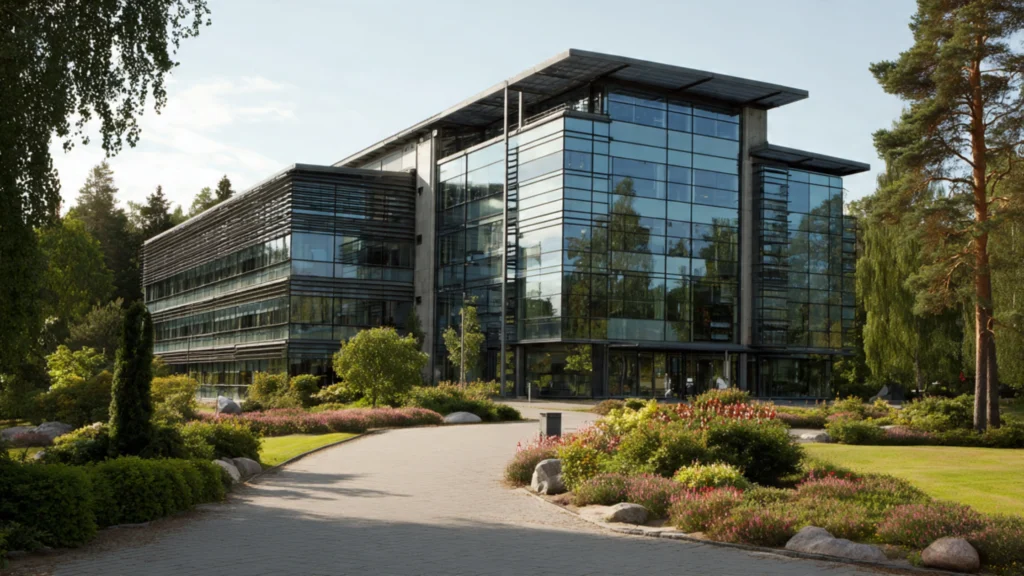
The Stockholm Environment Institute (SEI) is an international non-profit research organization that works at the intersection of climate, environment, and sustainable development. With its headquarters in Stockholm and seven global centres (Africa, Asia, Latin America, Oxford, Tallinn, US, and York), SEI doesn’t just write reports that gather dust — it actively connects science with policy and practice.
In plain terms? SEI researchers influence real decisions. Government policies. International frameworks. Development programs. The kind of stuff that shapes how the world responds to the climate crisis.
Interning here means you get a front-row seat to that process.
The 2026 Internship Everyone Is Talking About: Resilient Coasts & Blue Bioeconomy
One of the standout openings for 2026 is a six-month sustainability internship running from August to December 2026, based at SEI HQ in Stockholm.
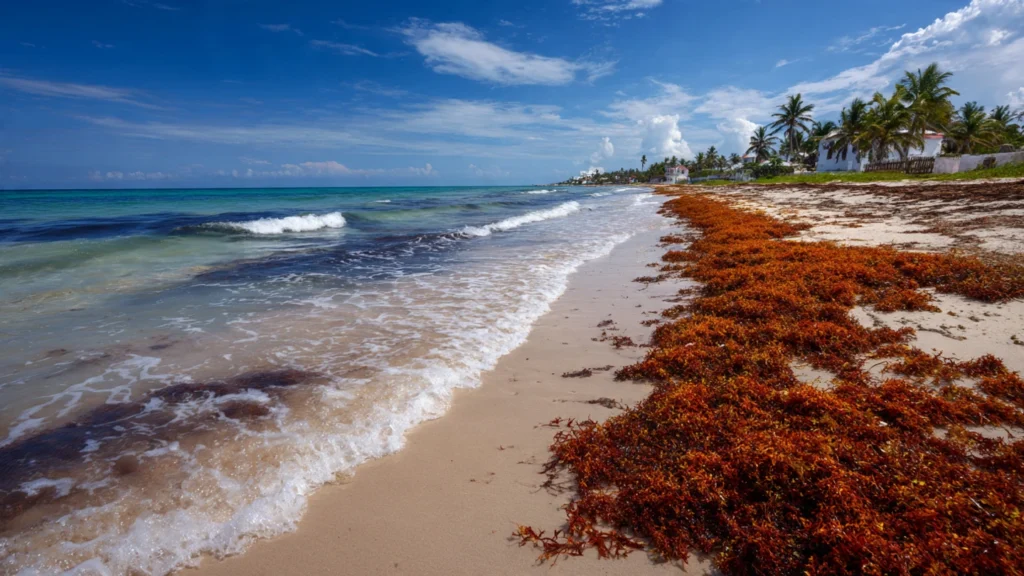
Here’s the pitch: Large quantities of Sargassum and Thalassia testudinum — coastal seaweeds — pile up seasonally along Cuban coastlines. Most people see waste. SEI sees opportunity. The project explores how these biomasses can be turned into practical, low-tech resources: soil amendments, materials, small-scale production systems. Think circular economy, but for coastal communities with limited access to electricity and equipment.
Your job as an intern? Help figure out how to make that work.
What You’d Actually Be Doing:
- Reviewing regional experiences with coastal biomass use in the Caribbean
- Analysing value chains for low-tech biomass processing
- Identifying implementation barriers — what’s stopping communities from using these resources?
- Developing concept proposals adapted to real local conditions in Cuba
And yes — this can count as your master’s thesis. That’s a huge deal if you’re still looking for a research project with genuine global relevance.
Are You Eligible? Here’s the Honest Breakdown
Before you get too excited, let’s talk eligibility. SEI is upfront about this, which I appreciate.
You need to be:
- Currently enrolled in a master’s program
- Studying environmental engineering, agronomy, industrial ecology, civil engineering, or a related field
- Fluent in English (Spanish is a strong asset for this particular role)
- Comfortable working independently and in interdisciplinary teams
It helps if you have:
- Interest in nature-based solutions or coastal systems
- Experience with field-based or low-tech approaches
- A genuine curiosity about connecting technical solutions with social contexts
One critical thing to note — and this trips people up: SEI HQ internships are typically unpaid and require external funding and insurance from your home institution. This is standard for many European research institutes. Before you apply, check if your university offers grants, scholarships, or Erasmus+ funding to support the placement. It’s absolutely doable, but it requires planning.
The Application Process: Step by Step
Here’s where most applicants stumble — not because they’re unqualified, but because they underestimate how much detail matters.
Timeline at a Glance:
| Stage | Timeline |
|---|---|
| Application window open | Ongoing (rolling basis) |
| Application deadline | 30 April 2026, 23:59 (Stockholm time) |
| Internship period | August – December 2026 (6 months) |
| Location | SEI HQ, Stockholm (1–2 office visits/week preferred) |
| Remote option | Possible, but in-person preferred |
What to Include in Your Application:
Your CV must have:
- Academic background and relevant coursework
- Research or fieldwork experience
- One reference (name, affiliation, and contact details — not just a name)
Your cover letter (max one page) must address:
- What you want to do during the internship and your relevant strengths
- How this internship connects to your studies and future plans
That second point matters more than people think. SEI isn’t just looking for someone smart — they want someone whose trajectory genuinely aligns with applied sustainability research. Make that connection explicit. Don’t make them guess.

What Makes a Strong SEI Application?
I’m going to be real with you here. Generic applications don’t work at institutes like SEI. They see hundreds of them.
What works:
Specificity. Don’t say “I’m passionate about sustainability.” Tell them about the specific course or thesis project that made you realize coastal bioeconomy was underexplored. Reference actual literature if you can.
The Spain-Cuba connection. If you speak Spanish — even conversationally — mention it. This particular internship focuses on Cuban coastal communities, and language is a genuine asset.
Intellectual humility. SEI works under resource constraints, meaning you’ll need to think creatively without fancy lab equipment or unlimited budgets. If you have experience with that kind of problem-solving, highlight it.
Show you’ve read the project. Reference the Resilient Coasts – Caribbean Sea project directly. Mention Rincón de Guanabo or the specific biomass types (Sargassum, Thalassia testudinum). It shows you’ve done your homework, not just clicked “Apply.”
What’s Life Like as an SEI Intern in Stockholm?
Okay, let’s talk about the human side of this.
Stockholm is, objectively, one of the most livable cities in the world. It’s expensive — let’s not sugarcoat that. Rent for a room can run anywhere from SEK 6,000 to 10,000+ per month depending on location and housing type. Food, transport, and social life add up quickly.
The good news: Many universities offer mobility grants specifically for placements like this. Erasmus+ (if you’re in Europe), Swedish Institute scholarships, and institutional research funds are all worth exploring. SEI’s website has guidance on this — check the SEI HQ internship information page before you apply.
On the work culture side: Stockholm is famously balanced. Swedes take fika (coffee break) culture seriously, work-life balance is real, and the professional environment at SEI is collaborative rather than hierarchical. For a research intern, that’s golden.
SEI Stockholm vs. Other SEI Centres: Quick Comparison
If the Stockholm opening doesn’t fit your profile perfectly, it’s worth knowing SEI has internship opportunities across multiple centres.
| Centre | Location | Focus Areas |
|---|---|---|
| SEI HQ | Stockholm, Sweden | Climate, water, biodiversity, blue economy |
| SEI Africa | Nairobi, Kenya | East African development, climate adaptation |
| SEI Asia | Bangkok, Thailand | Mekong region, urban sustainability |
| SEI Oxford | Oxford, UK | Energy, policy analysis |
| SEI York | York, UK | Ecosystems, biodiversity |
| SEI US | Seattle, USA | Pacific Northwest climate |
| SEI Latin America | Various | Regional sustainability, water |
For master’s students interested in coastal and climate research, Stockholm HQ is where the Resilient Coasts project lives — so it’s the right fit for the 2026 blue bioeconomy role.
Keyword Insight: What Are People Searching Before Applying?
(A quick look at what other applicants want to know — and answers to each)
❓ How do I apply for the SEI internship Stockholm 2026?
Submit your CV and cover letter (in English, one page max) via the SEI careers site. Applications are reviewed on a rolling basis, so earlier is genuinely better. Deadline: 30 April 2026.
❓ What are the SEI internship eligibility requirements?
You must be a currently enrolled master’s student. Relevant fields include environmental engineering, agronomy, industrial ecology, or civil engineering. English fluency is required; Spanish is a strong plus for the Cuba-focused project.
❓ What topics are covered in SEI Stockholm 2026 internships?
The current open position focuses on blue bioeconomy and coastal biomass valorization. Past and concurrent SEI internships have covered climate adaptation, sustainable finance, water management, policy engagement, indigenous rights, and agroecology — among others.
❓ Is the SEI internship paid?
SEI HQ internships are typically unpaid and require external funding and insurance through your home institution. This is standard practice for many European research institutes. Check whether your university offers mobility grants or if you’re eligible for Erasmus+ funding.
❓ Can I do this internship remotely?
The preference is for in-person participation (1–2 office visits per week at minimum), but a fully online internship may be acceptable depending on circumstances. Mention your situation in the application and contact HR for clarification.
Contacts and Resources You Actually Need
Don’t lose these:
- Internship aims questions: Daniela Duran, Research Associate — daniela.duran@sei.org
- Recruitment process questions: Filippa Klintberg, HR Specialist — filippa.klintberg@sei.org
- SEI Careers site: Check regularly for updated 2026 recruitment timelines
- Project page: Resilient Coasts – Caribbean Sea at sei.org
Final Thoughts: Is This the Right Internship for You?
Here’s my honest take.
If you’re a master’s student who wants to spend six months doing something that genuinely matters — not a simulation of research, but actual applied work that feeds into real projects — the SEI internship Stockholm 2026 is one of the best opportunities available to you right now.
Will it be easy to get? No. SEI attracts strong applicants from around the world. Will it be worth the effort of a thoughtful, specific, well-crafted application? Absolutely.
The deadline is 30 April 2026. That’s your line in the sand. Use the time you have wisely — research the project, talk to your thesis supervisor about funding, draft that cover letter with intention, and get your reference lined up before you need them.
The world needs people who can solve real problems under real constraints. SEI is looking for exactly that kind of person.
That could be you. Go apply.
Have questions about the SEI application process or life as an intern in Stockholm? Drop them in the comments below — I read every single one.