• Skip to primary navigation
  • Skip to main content

CHEVENING SCHOLARSHIP

  • SCHOLARSHIPS
  • FELLOWSHIPS
  • Internships
  • GUIDES

FELLOWSHIPS

IVI Internship Program 2026: The Complete Guide for International Students Who Actually Want to Do Something That Matters

April 10, 2026 by Amina Shah

So here’s a scenario I want you to sit with for a second.

You’re scrolling through yet another internship listing that promises “exposure to industry-leading best practices” and pays absolutely nothing. The description uses the word dynamic four times. You close the tab.

Then — almost by accident — you stumble onto something different. A paid internship at an international organization in Seoul. Real projects. Real scientists. A stipend that actually covers your groceries. And the work? Helping get vaccines to the people who need them most.

That’s the IVI Internship Program 2026, and if you haven’t applied yet, this guide is going to walk you through everything — what it is, who gets in, what you’ll actually do, and how to write an application that doesn’t end up in a pile of forgettable PDFs.

What Is the International Vaccine Institute?

Before we get into the nuts and bolts, a quick orientation.

The International Vaccine Institute (IVI) is a nonprofit international organization founded in 1997 under a United Nations Development Programme initiative. It’s headquartered in Seoul, Republic of Korea, and it has one clear mission: discover, develop, and deliver safe, effective, and affordable vaccines — especially for people in low- and middle-income countries who are, frankly, underserved by the global health system.

IVI has a workforce of around 300 people from 36 nationalities spread across offices in 5 countries. Their scientific portfolio covers everything from cholera and typhoid to COVID-19, shigella, and antimicrobial resistance. They brought the world’s first low-cost oral cholera vaccine to market. That’s the kind of organization you’d be walking into.

Not a corporate internship. Not a prestige brand play. Something with genuine stakes.

What the IVI 2026 Internship Program Actually Offers

Let’s get the big question out of the way first: yes, it’s paid.

DetailSpecifics
Full-time allowanceUSD $200 per week
Part-time allowanceUSD $100 per week
Duration4 to 16 weeks (no breaks)
Weekly hoursUp to 40 hours
LocationOn-site in Seoul (remote possible for some roles)
Application windowRolling, reviewed through April 30, 2026
Internship periodMay – September 2026

A couple of honest caveats worth knowing upfront: IVI does not provide financial support for travel, accommodation, or visa processing. Interns are not considered employees and are not eligible for employee benefits. Completing the program doesn’t guarantee a permanent position — though it absolutely doesn’t close that door either, and interns can apply for any open IVI roles after their stint.

None of that should scare you off. It’s just IVI being transparent, which is actually a good sign about an organization’s culture.

Who Is Eligible for the IVI Internship Program?

The eligibility criteria are refreshingly accessible:

  • Current undergraduate, postgraduate, or doctoral students, OR
  • Those within one year of graduation
  • Fluent in English (additional language skills are a bonus)
  • Passionate about global health — that part isn’t on the form, but trust me, it shows in applications

That’s it. No “minimum 3 years of experience.” No “must have published in a peer-reviewed journal.” If you’re a student or a recent grad with a genuine interest in global health work, you’re in the running.

The program welcomes a wide range of academic backgrounds — public health, epidemiology, microbiology, data science, communications, policy, nonprofit management, procurement, clinical research. IVI’s work is multidisciplinary by nature, and their intern placements reflect that.

Where You Might Actually Be Placed: The 9 Internship Teams

This is the part most guides skim over. Let me give you the actual breakdown of available placements for 2026, straight from IVI’s official listings:

1. Epidemiology, Public Health & Impact Team Supporting country and facility-level reports, organizing data for disease impact analysis.

2. Training & Capacity Strengthening Team Monitoring training program costs, financial analysis, and supporting TCS operations — good fit for public health management or health economics students.

3. Clinical Development Team AI for medical writing, seroepidemiological data on shigella, rotavirus, typhoid, and iNTS, slide deck preparation. This one is for the science-track interns.

4. Vaccine Process Development Team Vaccine antigen purification techniques, statistical simulation exercises. Lab-heavy and technically demanding — ideal for bioscience or biochemistry students.

5. Procurement & Travel Team Restructuring the Travel Operations Manual, integrating procedures — good for operations, business administration, or international development students.

6. Data Science & Innovation Team Electronic system development, AI exploration, program coding and unit testing. Yes, IVI has a data science team. Yes, it’s as interesting as it sounds.

7. Grant Development & Program Management Team Project reviews, program management support, GDPR coordination. Duration for this one is 8–12 weeks specifically. Great for policy or international development students.

8. Global Affairs & Communications Team Supporting IVI’s International Photo Contest, communications projects, public engagement. The creative lane.

9. Immunoepidemiology Team Evidence synthesis on infectious diseases and climate-sensitive pathogens, descriptive data analysis from a typhoid surveillance and vaccination project. This is the one that made news — the “IVI immunoepidemiology internship” is one of the more searched-for roles in the space.

The point is: there’s a lane for scientists, policy people, data analysts, communicators, and operations folk. The “global health internship” label covers real breadth here.

The Application Timeline: When to Do What

IVI runs a tightly structured annual cycle, and understanding it is half the battle.

PhaseTiming
Application submissionMarch – April 2026
Candidate screening & interviewsMarch – April 2026 (rolling)
Internship period beginsMay 6, 2026
Internship period endsSeptember 2, 2026
Official deadlineApril 30, 2026

The key phrase here is rolling basis. IVI doesn’t review all applications on one day in May. They review them continuously, which means positions can fill before the deadline officially closes. Apply early. Seriously. Don’t treat April 30 as your submission date — treat it as your absolute last resort date.

What You’ll Submit: The Application Package

Two things. That’s it.

  • Your CV/resume — tailored toward global health or your specific area (don’t send a generic one)
  • A motivation letter — this is where most applicants either stand out or blend in

On the motivation letter specifically: IVI is a mission-driven organization. They want to see that you understand what they do, why it matters, and how you specifically fit into it. Generic enthusiasm doesn’t cut it here. Connect your background, your skills, and your interests to a specific team or project area. Show that you’ve actually looked at their work.

Additional documents may be requested depending on the role. Once shortlisted, you’ll be invited to an interview — typically competency-based, with questions about your understanding of the role, your relevant experience, and your motivation. After selection comes the joining arrangement phase: onboarding logistics, orientation, and then your actual placement.

What the Experience Is Actually Like

Here’s where I’ll let past interns do some of the talking — because nothing beats the real thing.

“My experience with IVI was intellectually stimulating, rewarding, and vital for my professional development. The autonomy I was given to pursue my interests and further understand how I wish to fit into the world of international development was invaluable.” — Gerard G., IVI Intern Class 2021

“The internship at IVI was an amazing opportunity for me to learn about the range of work being done in public health to promote access to healthcare for the most vulnerable populations. I had unparalleled support from my mentors and my team members… I couldn’t have asked for a better experience interning in a foreign country and at a world-class organization.” — Parmita D., IVI Intern Class 2021

Two things jump out from both reflections: autonomy and support. That combination is rarer than it sounds in internship programs. A lot of organizations give you one or the other. IVI apparently gives you both.

During the internship itself, you’ll go through a structured arc: orientation when you arrive, active assignments, a mid-term evaluation checkpoint, and a final report submission at the end. It’s designed to give you accountability and measurable progress — not just a vague “experience.”

Living in Seoul as an Intern: A Quick Reality Check

Let’s talk about the city for a second, because this is a real part of the decision.

Seoul is a phenomenal city to spend a summer. It’s efficient, fascinating, culturally rich, and genuinely safe. The public transit system is world-class — you can get almost anywhere for under a dollar with a T-money card. Food is incredible and affordable if you eat local. The city is also extremely international, particularly in districts like Mapo, Yongsan, and Gangnam, where English signage is common and the expat community is well-established.

A few practical notes for international interns:

  • Visa: IVI does not cover visa costs or provide administrative support for the process. Research the D-2 (student) or C-3 (short-term visit) options depending on your situation well in advance
  • Accommodation: Seoul has a range of options — goshiwons (small private rooms), shared flats, and university guesthouses near the SNU Research Park area where IVI is based
  • Cost of living: On a $200/week full-time stipend, you’ll need to budget carefully, but it’s workable in Seoul if you’re not trying to live a luxury lifestyle
  • Language: Korean basics help enormously and locals genuinely appreciate the effort, even if you’re only at the “thank you, one americano please” level

The Honest Pros and Cons

Because I’d rather give you a full picture than a sales pitch.

What’s genuinely great:

  • Real work, real projects, real impact on global public health
  • Paid allowance — not just “great experience” as compensation
  • Access to a 300-person international team across 36 nationalities
  • Seoul is an exceptional city to spend a summer
  • The IVI name carries real weight in global health circles
  • Alumni testimonials are consistently positive about mentorship quality

What you should know going in:

  • No travel, accommodation, or visa support — you fund your own logistics
  • $200/week is a modest stipend; it covers basics but you’ll need savings or additional funds to land comfortably
  • Competitive selection — the rolling application process means strong candidates who apply early have an edge
  • On-site in Seoul is preferred; not all roles have remote options

Frequently Asked Questions

Is the IVI Internship Program 2026 paid? Yes. Full-time interns receive USD $200/week and part-time interns receive USD $100/week as an allowance. Note that this is not a salary, and no additional financial support is provided for travel or accommodation.

What is the application deadline? Applications are reviewed on a rolling basis through April 30, 2026. Apply early — positions fill before the deadline closes.

Can I apply if I haven’t graduated yet? Yes. Current undergraduate, postgraduate, and doctoral students are all eligible. Recent graduates within one year of completing their degree are also eligible.

What documents do I need to apply? A CV/resume and a motivation letter are required. Additional documents may be requested depending on the specific role.

Is there a remote option? On-site participation in Seoul is preferred. Some roles may accommodate remote work depending on the project, but this is not guaranteed.

Does completing the internship lead to a job at IVI? Not automatically. Completion does not guarantee any permanent position. However, interns are eligible to apply for open IVI roles, and having the program on your record is a genuine advantage.

Where exactly is IVI located in Seoul? IVI headquarters is at SNU Research Park, Gwanak-gu, Seoul, Republic of Korea.

How do I apply? Through IVI’s official careers page at ivi.int/careers. Submit applications only through official channels. IVI does not charge fees at any stage of the process — if someone asks you for money related to this application, that’s a scam.

Similar Global Health Internships Worth Watching in 2026

If you’re building a shortlist, these programs sit in similar territory:

  • WHO Internship Programme — Geneva and regional offices; excellent for policy and technical tracks
  • GAVI Alliance — vaccine financing and delivery; Geneva-based
  • PATH Global Health — research and innovation focus
  • KOICA (Korea International Cooperation Agency) — Korea-based international development, broader sector
  • UNICEF internships — various duty stations, strong on communications and program management
  • Clinton Health Access Initiative (CHAI) — field-intensive global health programming

The Bottom Line: Should You Apply?

If global health is where you want to spend your career, or even just a significant chunk of your attention in the coming years — yes. Absolutely. The IVI Internship Program 2026 is one of the more substantive opportunities you’ll find at this stage of a career. It’s not a prestige exercise. It’s actual work, at an actual organization, doing actual things that affect whether people in vulnerable communities get access to vaccines.

The rolling deadline means the clock is already running. Applications submitted in March and early April have a statistical edge over those submitted in the final week of April. So if this is sitting on your “I’ll get to it” list — now is the time to get to it.

Write the motivation letter. Tailor the CV. Send it.

And if you get it? Enjoy Seoul. Learn some Korean. And know that the work you do there genuinely matters.

Found this guide useful? Share it with a classmate who’s also looking at global health opportunities — and drop any questions you have in the comments. Happy to help you think through your application.

All program details sourced directly from IVI’s official careers page (ivi.int/careers) and the 2026 Internship Program listing. Stipend figures, eligibility, and timeline accurate as of April 2026.
Filed Under: FELLOWSHIPS

SEI Internship Stockholm 2026: Everything You Need to Know Before You Apply

April 10, 2026 by Amina Shah

So, You Want to Intern at One of the World’s Top Environmental Research Institutes?

Let me guess. You’re a master’s student, you care deeply about climate change, sustainable development, or the blue economy — and you’ve somehow stumbled across the Stockholm Environment Institute internship. And now you’re thinking: “Is this real? Can I actually do this? Where do I even start?”

Yes, it’s real. Yes, you can do this. And I’m about to walk you through everything.

The SEI internship Stockholm 2026 isn’t your average “fetch coffee and update spreadsheets” kind of gig. We’re talking real research, real impact, and real mentorship inside one of the most respected environmental institutes on the planet. If you’ve been looking for an internship that actually means something — not just a line on your CV — this one deserves your full attention.

Let’s get into it.

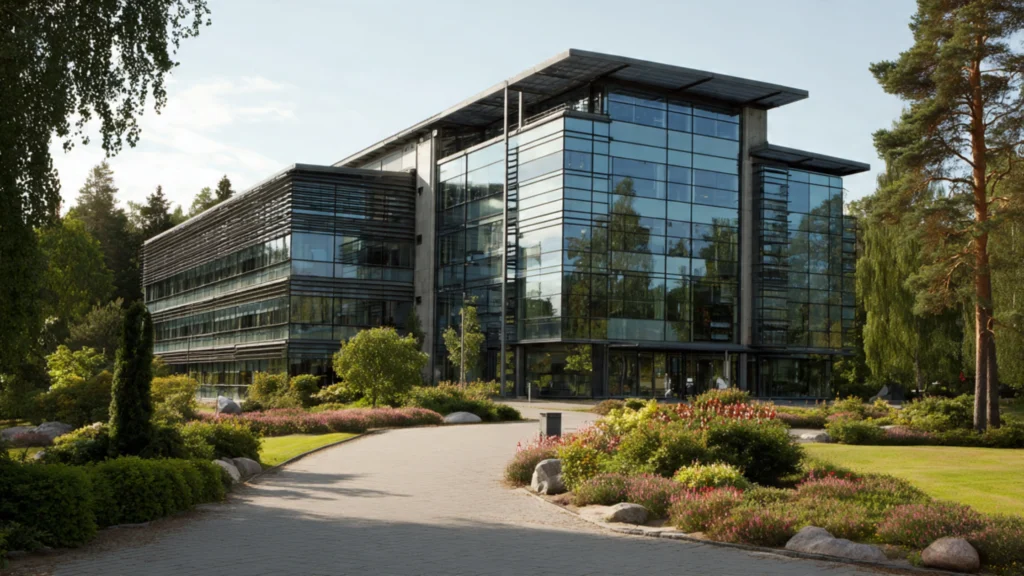
SEI Stockholm HQ exterior modern office building surrounded by green spaces

What Is SEI — And Why Should You Care?

The Stockholm Environment Institute (SEI) is an international non-profit research organization that works at the intersection of climate, environment, and sustainable development. With its headquarters in Stockholm and seven global centres (Africa, Asia, Latin America, Oxford, Tallinn, US, and York), SEI doesn’t just write reports that gather dust — it actively connects science with policy and practice.

In plain terms? SEI researchers influence real decisions. Government policies. International frameworks. Development programs. The kind of stuff that shapes how the world responds to the climate crisis.

Interning here means you get a front-row seat to that process.

The 2026 Internship Everyone Is Talking About: Resilient Coasts & Blue Bioeconomy

One of the standout openings for 2026 is a six-month sustainability internship running from August to December 2026, based at SEI HQ in Stockholm.

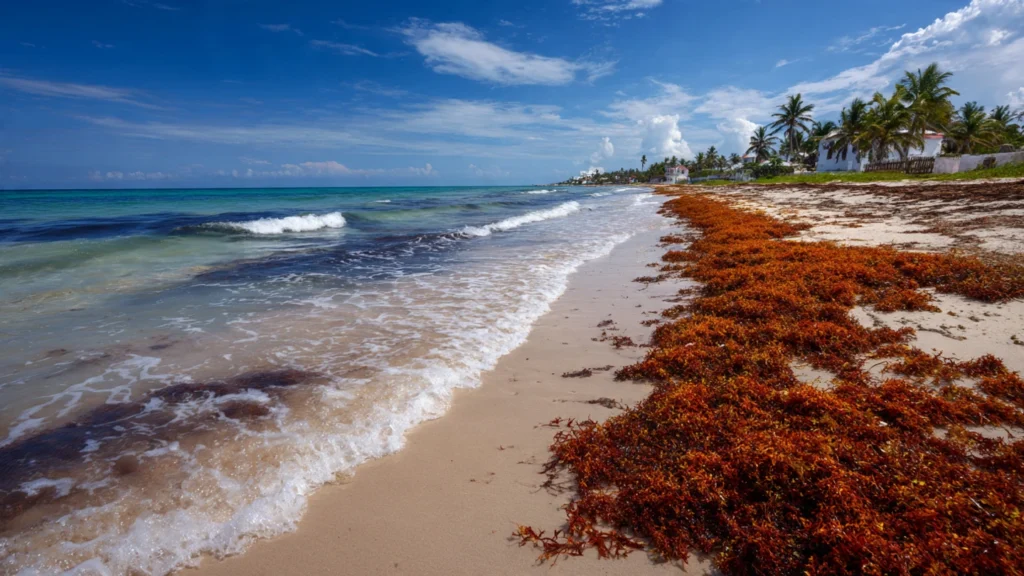
Here’s the pitch: Large quantities of Sargassum and Thalassia testudinum — coastal seaweeds — pile up seasonally along Cuban coastlines. Most people see waste. SEI sees opportunity. The project explores how these biomasses can be turned into practical, low-tech resources: soil amendments, materials, small-scale production systems. Think circular economy, but for coastal communities with limited access to electricity and equipment.

Your job as an intern? Help figure out how to make that work.

What You’d Actually Be Doing:

  • Reviewing regional experiences with coastal biomass use in the Caribbean
  • Analysing value chains for low-tech biomass processing
  • Identifying implementation barriers — what’s stopping communities from using these resources?
  • Developing concept proposals adapted to real local conditions in Cuba

And yes — this can count as your master’s thesis. That’s a huge deal if you’re still looking for a research project with genuine global relevance.

insert image coastal sargassum seaweed on a cuban 1

Are You Eligible? Here’s the Honest Breakdown

Before you get too excited, let’s talk eligibility. SEI is upfront about this, which I appreciate.

You need to be:

  • Currently enrolled in a master’s program
  • Studying environmental engineering, agronomy, industrial ecology, civil engineering, or a related field
  • Fluent in English (Spanish is a strong asset for this particular role)
  • Comfortable working independently and in interdisciplinary teams

It helps if you have:

  • Interest in nature-based solutions or coastal systems
  • Experience with field-based or low-tech approaches
  • A genuine curiosity about connecting technical solutions with social contexts

One critical thing to note — and this trips people up: SEI HQ internships are typically unpaid and require external funding and insurance from your home institution. This is standard for many European research institutes. Before you apply, check if your university offers grants, scholarships, or Erasmus+ funding to support the placement. It’s absolutely doable, but it requires planning.

The Application Process: Step by Step

Here’s where most applicants stumble — not because they’re unqualified, but because they underestimate how much detail matters.

Timeline at a Glance:

StageTimeline
Application window openOngoing (rolling basis)
Application deadline30 April 2026, 23:59 (Stockholm time)
Internship periodAugust – December 2026 (6 months)
LocationSEI HQ, Stockholm (1–2 office visits/week preferred)
Remote optionPossible, but in-person preferred

What to Include in Your Application:

Your CV must have:

  • Academic background and relevant coursework
  • Research or fieldwork experience
  • One reference (name, affiliation, and contact details — not just a name)

Your cover letter (max one page) must address:

  1. What you want to do during the internship and your relevant strengths
  2. How this internship connects to your studies and future plans

That second point matters more than people think. SEI isn’t just looking for someone smart — they want someone whose trajectory genuinely aligns with applied sustainability research. Make that connection explicit. Don’t make them guess.

insert image student writing a cover letter at a d

What Makes a Strong SEI Application?

I’m going to be real with you here. Generic applications don’t work at institutes like SEI. They see hundreds of them.

What works:

Specificity. Don’t say “I’m passionate about sustainability.” Tell them about the specific course or thesis project that made you realize coastal bioeconomy was underexplored. Reference actual literature if you can.

The Spain-Cuba connection. If you speak Spanish — even conversationally — mention it. This particular internship focuses on Cuban coastal communities, and language is a genuine asset.

Intellectual humility. SEI works under resource constraints, meaning you’ll need to think creatively without fancy lab equipment or unlimited budgets. If you have experience with that kind of problem-solving, highlight it.

Show you’ve read the project. Reference the Resilient Coasts – Caribbean Sea project directly. Mention Rincón de Guanabo or the specific biomass types (Sargassum, Thalassia testudinum). It shows you’ve done your homework, not just clicked “Apply.”

What’s Life Like as an SEI Intern in Stockholm?

Okay, let’s talk about the human side of this.

Stockholm is, objectively, one of the most livable cities in the world. It’s expensive — let’s not sugarcoat that. Rent for a room can run anywhere from SEK 6,000 to 10,000+ per month depending on location and housing type. Food, transport, and social life add up quickly.

The good news: Many universities offer mobility grants specifically for placements like this. Erasmus+ (if you’re in Europe), Swedish Institute scholarships, and institutional research funds are all worth exploring. SEI’s website has guidance on this — check the SEI HQ internship information page before you apply.

On the work culture side: Stockholm is famously balanced. Swedes take fika (coffee break) culture seriously, work-life balance is real, and the professional environment at SEI is collaborative rather than hierarchical. For a research intern, that’s golden.

SEI Stockholm vs. Other SEI Centres: Quick Comparison

If the Stockholm opening doesn’t fit your profile perfectly, it’s worth knowing SEI has internship opportunities across multiple centres.

CentreLocationFocus Areas
SEI HQStockholm, SwedenClimate, water, biodiversity, blue economy
SEI AfricaNairobi, KenyaEast African development, climate adaptation
SEI AsiaBangkok, ThailandMekong region, urban sustainability
SEI OxfordOxford, UKEnergy, policy analysis
SEI YorkYork, UKEcosystems, biodiversity
SEI USSeattle, USAPacific Northwest climate
SEI Latin AmericaVariousRegional sustainability, water

For master’s students interested in coastal and climate research, Stockholm HQ is where the Resilient Coasts project lives — so it’s the right fit for the 2026 blue bioeconomy role.

Keyword Insight: What Are People Searching Before Applying?

(A quick look at what other applicants want to know — and answers to each)

❓ How do I apply for the SEI internship Stockholm 2026?

Submit your CV and cover letter (in English, one page max) via the SEI careers site. Applications are reviewed on a rolling basis, so earlier is genuinely better. Deadline: 30 April 2026.

❓ What are the SEI internship eligibility requirements?

You must be a currently enrolled master’s student. Relevant fields include environmental engineering, agronomy, industrial ecology, or civil engineering. English fluency is required; Spanish is a strong plus for the Cuba-focused project.

❓ What topics are covered in SEI Stockholm 2026 internships?

The current open position focuses on blue bioeconomy and coastal biomass valorization. Past and concurrent SEI internships have covered climate adaptation, sustainable finance, water management, policy engagement, indigenous rights, and agroecology — among others.

❓ Is the SEI internship paid?

SEI HQ internships are typically unpaid and require external funding and insurance through your home institution. This is standard practice for many European research institutes. Check whether your university offers mobility grants or if you’re eligible for Erasmus+ funding.

❓ Can I do this internship remotely?

The preference is for in-person participation (1–2 office visits per week at minimum), but a fully online internship may be acceptable depending on circumstances. Mention your situation in the application and contact HR for clarification.

Contacts and Resources You Actually Need

Don’t lose these:

  • Internship aims questions: Daniela Duran, Research Associate — daniela.duran@sei.org
  • Recruitment process questions: Filippa Klintberg, HR Specialist — filippa.klintberg@sei.org
  • SEI Careers site: Check regularly for updated 2026 recruitment timelines
  • Project page: Resilient Coasts – Caribbean Sea at sei.org

Final Thoughts: Is This the Right Internship for You?

Here’s my honest take.

If you’re a master’s student who wants to spend six months doing something that genuinely matters — not a simulation of research, but actual applied work that feeds into real projects — the SEI internship Stockholm 2026 is one of the best opportunities available to you right now.

Will it be easy to get? No. SEI attracts strong applicants from around the world. Will it be worth the effort of a thoughtful, specific, well-crafted application? Absolutely.

The deadline is 30 April 2026. That’s your line in the sand. Use the time you have wisely — research the project, talk to your thesis supervisor about funding, draft that cover letter with intention, and get your reference lined up before you need them.

The world needs people who can solve real problems under real constraints. SEI is looking for exactly that kind of person.

That could be you. Go apply.

Have questions about the SEI application process or life as an intern in Stockholm? Drop them in the comments below — I read every single one.

Young researcher working at a laptop in a bright modern Stockholm office representing the SEI intern experience

Filed Under: FELLOWSHIPS

Creative Internships 2026: Your Ultimate Guide to Landing the Role That Actually Builds Your Career

April 9, 2026 by Amina Shah

Okay, let’s be real for a second.

You didn’t spend years honing your design eye, perfecting your writing voice, or obsessing over color palettes just to end up in a cubicle doing busywork for three months. You want an internship that actually means something — one that fills your portfolio, sharpens your skills, and maybe, just maybe, turns into a full-time offer.

The good news? Creative internships in 2026 are looking genuinely exciting. The not-so-good news? Everyone else knows it too. Competition is stiff, deadlines sneak up fast, and the difference between getting shortlisted and getting ghosted often comes down to how prepared you are before you even hit “submit.”

So I put this guide together for you. Whether you’re hunting for summer creative internships 2026, remote opportunities, paid roles in New York or London, or entry-level positions with zero prior experience — this is the resource you actually needed.

Let’s get into it.

📊 The Creative Internship Landscape in 2026: What You’re Walking Into

Before we talk strategy, let’s talk numbers. Here’s a snapshot of what the keyword research tells us about where student interest is actually concentrated — because this mirrors real demand in the job market too.

Keyword / Opportunity TypeMonthly Search VolumeCompetitionAvg. CPC
Summer creative internships 20263,822Medium$0.61
Design internships summer 20264,476Medium$6.43
Creative agency internship 20263,494High$5.04
Marketing creative intern 20263,221Medium-High$7.45
Content creator internship 20262,969Low$5.38
Paid creative internships 20261,735Low$6.88
Remote creative internships 20264,047Medium$2.04
Creative internships New York 20264,611Medium$1.44
Creative internships for students 20262,890Medium$5.28
Creative internships no experience 20264,873Medium$6.23

What this tells you: Remote and no-experience creative roles are being searched heavily. If you feel underqualified, you’re not alone — and many programs are designed specifically for students at your stage.

🎨 What Even Counts as a “Creative Internship” in 2026?

Great question, and honestly one people skip over too fast.

The umbrella is wide. Creative internships in 2026 span everything from:

  • Graphic design internships — visual identity, layout, brand assets
  • UI/UX design intern roles — wireframing, user research, prototyping
  • Content creator internships — social media, video, written content
  • Motion graphics intern positions — animation, After Effects wizardry
  • Photography internships — editorial, product, documentary
  • Creative writing internships — copywriting, editorial, storytelling
  • Art director intern roles — campaign concepting, visual direction
  • Brand design internships — identity systems, packaging, campaigns
  • Advertising creative intern positions — pitching ideas, making stuff
  • Social media creative intern gigs — reels, carousels, strategy

And then there are the industry-specific ones: fashion design internships 2026, animation internships, music industry creative roles, film production internships, gaming company creative roles, and even creative tech internships at the intersection of code and design.

The point is: if you make things — visual things, written things, experiential things — there’s a creative internship for you.

🏙️ Where Are the Best Creative Internships in 2026?

Location still matters, even in a hybrid world. Here’s a quick breakdown of where the creative hotspots are:

🇺🇸 United States

New York City remains the undisputed capital of creative ambition. Fashion houses, advertising agencies, publishing empires, media brands — they’re all here. Creative internships in New York 2026 are competitive, but the networking payoff is unmatched.

Los Angeles is your go-to if you’re chasing film, music, gaming, or entertainment-adjacent creative roles. The culture is collaborative, the weather is good (relevant to your commute happiness), and the creative scene is genuinely electric.

San Francisco skews toward creative tech internships — think product design, UX, and brand work at tech companies. If you want to blend creativity with innovation, this is your city.

🇬🇧 United Kingdom

London creative internships 2026 are thriving, particularly in fashion, advertising, editorial, and branding. Paid creative internships in the UK are increasingly common as legislation pushes companies toward compensation. Do your research on work permit requirements if you’re an international student.

🌍 Europe

Berlin is underrated and underestimated. The creative internships scene there — especially in music, digital art, and startups — is genuinely world-class. Amsterdam is another gem, with strong creative agency culture and surprisingly approachable application processes.

💻 Remote & Hybrid

Don’t sleep on remote creative internships 2026. Post-pandemic, companies have normalized distributed creative teams. You can work with a New York agency from your apartment in Karachi, Berlin, or São Paulo. The hybrid model — part remote, part in-person — is also booming, giving you flexibility without total isolation.

💰 Are Creative Internships in 2026 Actually Paid?

This is the question everyone’s thinking but not always asking loudly enough.

The answer: more than ever, yes — but you have to look for them specifically.

The shift toward paid creative internships 2026 has been meaningful. Advocacy groups, university policies, and industry-wide pressure have pushed many major employers to compensate interns properly. That said, unpaid internships still exist, particularly in smaller creative agencies, nonprofits, and arts organizations.

What to look for:

  • Hourly rates typically range from $15–$25/hour for US-based roles
  • UK rates vary but often fall between £12–£18/hour in London
  • Some programs offer academic credit in lieu of (or alongside) pay
  • Stipends are common in fashion and media, ranging from $500–$2,000/month

A pro tip: Platforms like Handshake, LinkedIn, Glassdoor, and Indeed now let you filter specifically for paid internships. Use it. Your time and talent have value — act accordingly.

🎓 Real Talk: ASU’s Creative Internships for 2026–27 Are Open Right Now

If you’re a current ASU student, this is your moment.

Arizona State University’s creative internships for the 2026–27 academic year are actively open, offering roles in marketing, communications, curatorial work, and creative production. These aren’t just résumé-padding exercises — they’re structured, paid positions with real responsibilities.

Here’s the quick breakdown:

DetailInfo
EligibilityCurrent ASU students only
Hours10–15 hours/week (flexible schedule)
CompensationPaid + academic credit options
Work ModelHybrid
Roles AvailableMarketing, communications, curatorial, creative production
How to ApplyVia Handshake / ASU Career Services / link in Instagram bio

Roles include opportunities with departments like Art Bridges for creative-focused positions. The work involves designing visuals, storytelling, and gaining hands-on experience within an interdisciplinary team — which, frankly, sounds like exactly what a strong portfolio is built on.

“Creative internships for the 2026–27 school year are now open! Must be a current ASU student. Apply through the link in our bio.” — @sundevilathletics on Instagram

If you’re eligible, apply. Yesterday.

ASU campus

📝 How to Actually Get a Creative Internship in 2026 (Without Losing Your Mind)

Alright, here’s where we get practical. Because knowing the opportunities exist and actually landing one are two very different things.

1. Build a Portfolio That Does the Talking First

This is non-negotiable. Before you write a single cover letter, make sure your portfolio is sharp, current, and tailored to the type of role you want. For creative internships, your work is your application. Recruiters spend roughly 30 seconds on a portfolio before deciding whether to keep reading.

What to include:

  • 3–5 of your best pieces (quality over quantity, always)
  • Brief context for each project — the problem, your approach, the result
  • Process work, not just finished products (shows how you think)
  • A clean, easy-to-navigate presentation (Behance, personal site, or a well-structured PDF)

2. Tailor Every Single Application

I know. It’s exhausting. Do it anyway.

Generic applications get generic results — which is to say, no results. Read the job description carefully. Mirror their language. Show you understand their brand, their audience, their aesthetic. Reference a specific campaign they ran or a project they’re known for. Make it impossible for them to confuse your application with anyone else’s.

3. Apply Early — Like, Embarrassingly Early

Creative internships for summer 2026 have been opening since late 2025 at major companies. Many top agencies and corporations fill their intern classes by February or March for summer programs. If you’re applying in May, you’re often applying to leftovers.

Set calendar reminders. Follow company social accounts. Sign up for job alerts. Be annoyingly on top of it.

4. Network Like a Normal Human Being

Not “networking” in the terrifying, business-card-exchanging sense. Just… be genuinely curious about people doing work you admire.

Comment thoughtfully on designers’ posts. Attend virtual portfolio reviews. Reach out to former interns at companies you love (LinkedIn makes this easy) and ask them one specific, respectful question about their experience. Most people are more willing to help than you’d expect.

5. Don’t Let “No Experience” Stop You

Creative internships with no experience required in 2026 are real and numerous. Many programs — especially at universities, nonprofits, and startups — are specifically designed for students in earlier stages of their education. What they’re looking for isn’t a decade of client work. They want curiosity, enthusiasm, a willingness to learn, and work that shows some evidence of how you think creatively.

Personal projects count. Class projects count. That YouTube channel you made and abandoned in 2023 counts, if the work is good.

🔍 Where to Find Creative Internships 2026: The Best Platforms

Don’t limit yourself to one source. Here’s where to look:

PlatformBest For
HandshakeUniversity-partnered roles, student-specific programs
LinkedInAgency and corporate creative roles globally
IndeedVolume searching, filtering by pay/location
GlassdoorSalary transparency, company culture insight
Behance Job BoardDesign-specific opportunities
AIGA Design JobsGraphic design and visual arts roles
Working Not WorkingCreative agency and freelance-adjacent roles
Company Instagram/Bio linksDirect applications (like ASU’s current opening)
University Career ServicesHandshake postings, on-campus recruiting, alumni networks

Pro tip: Follow the Instagram accounts of creative departments, agencies, and companies you want to work for. Many — like ASU Athletics above — post opportunities directly on social before they’re widely listed.

📅 Creative Internship Application Deadlines 2026: A General Timeline

Program TypeTypical Application WindowStart Date
Summer creative internshipsOctober – MarchJune – August
Fall semester internshipsJune – AugustSeptember
Spring semester internshipsOctober – NovemberJanuary
Academic year programs (like ASU’s)March – MayAugust/September
Rolling deadlines (startups, small agencies)Year-roundVaries

The keyword “creative internships application deadline 2026” gets nearly 2,340 searches a month — which tells you that a lot of students are catching up on deadlines after the fact. Don’t be that student.

💼 What Industries Are Hiring Creative Interns in 2026?

The short answer: more than you’d think. Here’s where creative talent is being actively recruited:

  • Fashion industry — design, styling, creative direction, editorial
  • Music industry — content creation, visual identity, tour creative
  • Film & TV — production design, motion graphics, social content
  • Gaming — UI/UX, concept art, narrative design, marketing creative
  • Big tech — product design, UX research, brand creative
  • Startups — broad creative generalist roles (wear many hats, learn a lot)
  • Creative agencies — account creative, copywriting, art direction
  • Advertising — campaign concepting, social, experiential
  • Publishing & media — editorial design, visual journalism
  • Nonprofits & arts organizations — curatorial, communications, outreach

❓ FAQs: What Students Actually Ask About Creative Internships 2026

Q: Can I get a creative internship with no prior experience? Yes — and this is more common than you think. Many programs for students 2026, particularly at universities and nonprofits, are built for people in their first or second year. Focus on personal projects, class work, and clearly communicating your enthusiasm and learning mindset.

Q: Are remote creative internships as valuable as in-person ones? Absolutely, when structured well. Remote creative internships 2026 offer access to opportunities across the world that you’d otherwise be geographically locked out of. The key is being proactive about communication, building relationships digitally, and treating the role with the same seriousness you would an in-person position.

Q: How much do creative internships pay in 2026? It varies widely. US roles at larger companies typically pay $15–$25/hour. UK roles in London often offer £12–£18/hour. Smaller agencies may offer stipends or academic credit. Always check — and don’t be afraid to ask about compensation upfront.

Q: What should my creative internship portfolio look like? Three to five strong projects, presented cleanly. Include context and process, not just final outputs. Make it easy to navigate. Tailor it toward the type of role you’re applying for — a UI/UX portfolio looks different from a brand design portfolio or a photography portfolio.

Q: When should I start applying for summer creative internships 2026? If you’re reading this in early 2026 — start immediately. Many major programs close applications by February or March. For 2026–27 academic year programs (like ASU’s current opening), applications are already live now.

Q: Do creative internships lead to full-time jobs? Often, yes — especially at agencies and companies with structured programs. Many employers use internships as extended hiring auditions. Show up fully, do exceptional work, and treat every interaction as part of your interview.

🚀 Final Thoughts: This Is Your Year to Make a Move

Here’s the thing about creative internships in 2026 — the field is full of opportunity, but it rewards the people who actually show up for it. The ones who apply early, build real portfolios, reach out to actual humans, and treat the process seriously.

You don’t need a perfect CV. You don’t need years of experience. You need work that shows how you think, a story that explains why this matters to you, and the initiative to actually go after it.

The ASU program is open. The summer applications are live. The remote roles are waiting. The paid positions exist.

Your move.

Have questions about applying for creative internships in 2026? Drop them in the comments — I read every one. And if this guide helped you, share it with a fellow creative who’s also in the hunt. We’re all in this together.

Student working on creative design portfolio at desk with dual monitors

Filed Under: FELLOWSHIPS

ICMPD Communications Internship 2026: Your Complete Guide to Landing This Vienna Opportunity

April 8, 2026 by Amina Shah

So, You Want to Work in Migration Policy?

Let me paint you a picture. It’s June in Vienna. You’re sitting in the headquarters of one of the world’s most influential intergovernmental organizations, drafting content that reaches policymakers across 90+ countries. You’re helping shape how global migration conversations unfold — and you haven’t even finished your degree yet.

That’s what the ICMPD Communications and Engagement Internship looks like in practice. And honestly? It’s one of the most underrated opportunities out there for international students and recent graduates who want to break into policy communications.

I know the international internship landscape can feel overwhelming — UN bodies, IGOs, think tanks, all with confusing acronyms and buried application portals. So let’s cut through the noise and break this one down properly.

What Is ICMPD — And Why Does It Matter?

The International Centre for Migration Policy Development (ICMPD) is an intergovernmental organization with 21 member states and a presence in over 90 countries. That’s not a small operation. Its work sits at the intersection of policy research, diplomatic dialogue, and capacity building — all centered on migration governance.

It’s headquartered in Vienna, Austria, and plays a genuinely significant role in shaping evidence-based migration policy across Europe, Africa, Central Asia, and the Mediterranean. If migration policy is a conversation, ICMPD is often the one setting the table.

ICMPD Vienna headquarters exterior here

The Internship at a Glance

The current opening is for a Policy Intern – Communications and Engagement (vacancy reference: VA26P059V01), based within ICMPD’s Policy Unit. Here’s the fast-read version:

DetailInfo
RoleCommunications and Engagement Intern
UnitPolicy Unit
LocationVienna, Austria
Duration6 months
Start dates15 June 2026 or 1 September 2026
Application deadline20 April 2026 (midnight CET)
Monthly stipend€500
Application emailPRS_Events_internship@icmpd.org

Pretty clean offer for an intergovernmental organization, right? Now let’s go deeper.

What You’ll Actually Be Doing

This isn’t a “make coffee and sit in the corner” kind of internship. The role is hands-on, varied, and genuinely connected to meaningful work. Here’s what the selected intern will be doing day to day:

  • Supporting the Vienna Migration Conference — one of the most high-profile migration policy events in the calendar — plus workshops and webinars
  • Drafting content for websites, social media, and email newsletters
  • Monitoring and analyzing social media performance, not just posting
  • Creating visual materials like infographics and digital content
  • Managing and updating website content
  • Tracking migration policy developments to feed into communication strategies
  • Supporting policy outreach — meaning you’re promoting real research and publications to real audiences

The mix of digital communications, event support, and policy engagement is what makes this role distinctive. You’re not siloed. You’re moving between strategy, execution, and content — which is rare at the intern level.

intern working at a modern open plan office Vienna backdrop

Who Should Apply? Eligibility Requirements

ICMPD is fairly clear about who they’re looking for, which honestly makes your decision easier. Let’s break it down.

Educational background:

You should be a current student or recent graduate in one of the following fields:

  • Communications or Journalism
  • International Relations
  • Migration Studies
  • Public Policy or related disciplines

Must-have skills:

  • Excellent written and spoken English (non-negotiable — this is the working language)
  • Strong communication and interpersonal abilities
  • Proficiency in Microsoft Office
  • Solid general digital literacy

Nice-to-have qualifications:

  • Experience with social media management
  • Content creation and website management
  • Social media analytics (knowing what the numbers mean, not just reading them)
  • Familiarity with design tools like Adobe Creative Suite
  • Some prior knowledge of migration policy issues

Beyond the hard skills, ICMPD is looking for someone who can work independently and thrive in multicultural teams. Given that this is a genuinely international environment, intercultural awareness isn’t just a bonus — it’s practically a requirement.

The Stipend and What It Covers (Be Honest With Yourself)

Let’s talk money, because €500 a month in Vienna requires a realistic conversation.

What ICMPD provides:

  • Monthly stipend of €500
  • Accident insurance for the duration of the internship

What you’re responsible for:

  • Travel expenses to and from Vienna
  • Your own health insurance
  • The right to live and work in Austria or the Schengen Area — meaning you need to sort your visa situation yourself if you’re coming from outside

Is €500 enough to live comfortably in Vienna? Honestly, not on its own. Vienna is beautiful but it’s not cheap. You’ll want to factor in housing (which can range from €400–700/month for a room), food, transport, and social life. Many interns supplement with savings, family support, or scholarships. If you’re from within the EU, the Schengen requirement is already sorted. If you’re coming from outside Europe, start researching Austria’s visa requirements early — this is one of those logistics that can sneak up on you.

One thing worth noting clearly: this internship does not guarantee future employment with ICMPD. It’s valuable experience, not a guaranteed pathway in. Go in with that understanding and you’ll get a lot more out of it.

How to Apply — Step by Step

The application process is straightforward, but don’t let “straightforward” make you complacent. With competitive roles like this, the details matter.

Step 1: Prepare your documents

You need two things:

  1. A CV (updated, clean, relevant experience highlighted)
  2. A motivation letter in English (this is where you make your case — more on this below)

Step 2: Indicate your availability

In your email, mention which start date(s) work for you:

  • 15 June 2026
  • 1 September 2026
  • Or both — flexibility is a plus

Step 3: Send your application

Email everything to: PRS_Events_internship@icmpd.org

Deadline: 20 April 2026 at midnight CET. Not a soft deadline. Set a reminder now.

Step 4: Wait (patiently)

Due to high application volume, only shortlisted candidates will be contacted. The selection process may include a written assignment and an online interview — so if you’re called forward, prepare for both.

Official Website
someone drafting a professional motivation letter on a laptop

Writing a Motivation Letter That Actually Works

Most motivation letters are forgettable. Yours doesn’t have to be. Here’s what to keep in mind for the ICMPD Communications Internship specifically:

Connect your background to their work. Don’t just say you’re passionate about migration. Show that you understand ICMPD’s role — mention the Vienna Migration Conference, their evidence-based approach, or a specific project area that genuinely interests you.

Be specific about your communications skills. If you’ve run a social media account, managed a website, written newsletters, or created infographics — say so, and give context. Numbers help: “grew Instagram engagement by 40%” beats “helped with social media.”

Keep it to one page. Seriously. Committees reading hundreds of letters will appreciate the discipline.

End with clarity. State your availability for start dates and express genuine enthusiasm for the specific role — not just “an international organization.”

Why This Internship Is Worth Your Attention

Migration is arguably one of the most contested and consequential policy areas of our time. And ICMPD is right at the center of it. Here’s why this internship matters beyond the line on your CV:

  • You’ll be working inside a genuinely intergovernmental structure, which is a different experience from an NGO or a national government ministry
  • Exposure to high-level policy discussions that most people only read about in journals
  • Real skills in digital engagement, content strategy, and event coordination — not theoretical ones
  • Access to a network of global stakeholders, researchers, and policymakers

For anyone aiming at a career in international development, migration policy, communications, or advocacy — this is a rare and well-positioned entry point.

FAQs: Everything You’re Probably Wondering

Can I apply if I’m not an EU citizen? Yes — but you’re responsible for securing the right to live and work in Austria or the Schengen Area. This means handling your own visa. Research early.

Do I need prior internship experience? Not necessarily. ICMPD welcomes both current students and recent graduates. If you have relevant experience (social media, content creation, policy research), highlight it. But it’s not a firm prerequisite.

Is there a written test in the selection process? Potentially. The selection process “may include a written assignment and an online interview.” Prepare for both — don’t assume it’s just an interview.

What if I can only do one of the start dates? That’s fine — just be clear about it in your application email. Flexibility helps, but ICMPD accommodates both dates.

Will I get a reference or certificate? The vacancy doesn’t specify this, but it’s standard practice in intergovernmental organizations to provide documentation of the internship period. Worth asking about in your interview.

How competitive is this? Quite. ICMPD receives a high volume of applications — their own disclaimer about only contacting shortlisted candidates makes that clear. A strong, tailored motivation letter and a clean CV are your best tools.

Similar Opportunities Worth Knowing

If you’re exploring migration policy internships more broadly, a few comparable roles to keep on your radar:

  • IOM (International Organization for Migration) — Geneva and field offices
  • UNHCR — communications and advocacy intern openings, multiple locations
  • European Commission — Blue Book Traineeship (EU nationals and residents)
  • Mixed Migration Centre — research and communications roles
  • Vienna-based NGOs and think tanks focused on migration, asylum, and human rights

Final Thoughts: Should You Apply?

If you’re reading this, you probably already know the answer. This internship sits at a genuinely interesting crossroads — policy, communications, event management, and international cooperation, all inside one of the most important migration bodies in the world, in one of Europe’s most liveable cities.

The stipend is modest. The Schengen requirement might require planning. But the experience, the exposure, and the network you’ll build? Those have a longer shelf life than six months.

Deadline: 20 April 2026. Don’t wait until the 19th.

Send your CV and motivation letter to PRS_Events_internship@icmpd.org and indicate your preferred start date.

Good luck — and if Vienna calls, answer.

For more international opportunities like this one, follow updates through ICMPD’s official channels: icmpd.org, careers.icmpd.org, and @ICMPD on LinkedIn, X, Bluesky, and Facebook. Always apply through official ICMPD channels — the organization does not charge fees at any stage of recruitment.

Filed Under: FELLOWSHIPS

ODU Paid Summer Internships 2026: The Ultimate Guide for International Students

April 8, 2026 by Amina Shah

Introduction: So You Want to Get Paid This Summer?

Let me paint you a picture. It’s June. Your classmates are posting LinkedIn updates about their summer internships while you’re still scrolling through confusing university portals at 11 PM, wondering if any of this even applies to you as an international student.

Been there? Yeah, a lot of us have.

Here’s the thing — ODU paid summer internships are very real, very accessible, and yes, international students can absolutely qualify. You just need to know where to look, what hoops to jump through, and — honestly — how to stop overthinking it and start applying.

This guide breaks everything down. No jargon. No bureaucratic runaround. Just straight talk about how to land a paid summer internship at Old Dominion University in 2026.


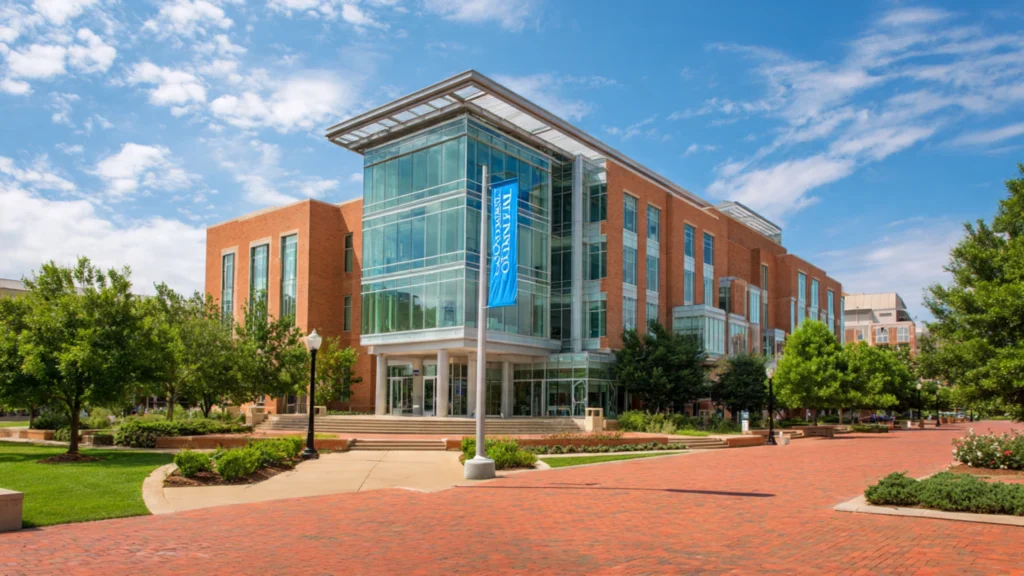
ODU campus in Norfolk VA — Webb Center exterior on a bright summer day

What Even Are ODU Paid Summer Internships?

Before we get into the how, let’s get crystal clear on the what.

ODU paid summer internships are structured, supervised work experiences offered to current ODU students — both domestic and international — through partnerships between the university and employers in the Hampton Roads region and beyond. These aren’t just “shadow your boss and fetch coffee” gigs. We’re talking real roles, real responsibilities, and real paychecks.

The heart of all this is the Monarch Internship & Co-Op Office (MICO), located at 1007 Webb Center on ODU’s main campus in Norfolk. These folks are, without exaggeration, working behind the scenes every single day to create, source, and match students with opportunities. As they put it themselves: “No one is working harder for Monarchs.”

And honestly? That energy shows in what’s available.

The Numbers That’ll Make You Pay Attention

Here’s a quick snapshot of what ODU paid internships look like in terms of compensation and scale:

InternshipPay RateHours/WeekDuration
City of Norfolk Executive Internship$17/hour~40 hrsSummer 2026
Social Media & Digital Marketing Intern (Volunteer Hampton Roads)$15/hourFlexibleSummer 2026
Data, Evaluation & Storytelling Intern (TWP)$20/hour8–15 hrsSummer 2026
Sports Management Intern (Virginia Beach)Not listed~35 hrsJune–Sept 2026
Radio Intern (WHRO Public Media)VariesFlexibleSummer 2026

That $20/hour data internship? Not bad for a student role. And the City of Norfolk executive position at $17/hour is genuinely competitive for any internship market.

International Students: Here’s Your Green Light (With a Few Asterisks)

Okay, this is probably the section you came here for. And I’m not going to bury the lead: yes, international students on F-1 visas can participate in ODU paid summer internships. But — and this is important — you need to go through the Curricular Practical Training (CPT) process first.

CPT isn’t some scary bureaucratic nightmare. It’s essentially your university’s authorization to work off-campus as part of your academic program. Here’s what you need to know:

CPT Eligibility Basics at ODU:

  • You must be a full-time F-1 student in good standing
  • The internship must be directly related to your major
  • You need to enroll in UNIV 68 (undergrad) or GRAD 668 (graduate) — these are the internship credit courses that make your CPT legitimate
  • There’s typically a minimum GPA requirement — graduate students generally need a 3.0 or above
  • You cannot be in your final semester without special exceptions

Pro tip: Start your CPT paperwork early. Like, embarrassingly early. The approval process takes time, and employers won’t wait forever.

international student reviewing documents at a campus advising office

Where to Actually Find These Internships

You’ve got a few solid routes here:

1. The MICO Virtual Office Head to odu.edu/internship. There are currently 211 featured recruiting opportunities listed — and that number refreshes constantly. The office receives new openings daily, so bookmark it and check back often.

2. Monarch Humanities Internship Academy (MHIA) If you’re in an Arts & Letters major, this is your golden ticket. The MHIA specifically supports humanities students in finding funded internship opportunities. They even run a Summer Internship Crash Course — a 30-minute Zoom session (check with Jennifer Palmer at jwpalmer@odu.edu for upcoming dates) that walks eligible students through the entire process.

3. The Graduate Program in International Studies (GPIS) If you’re a grad student in international studies, GPIS maintains its own curated list of paid and unpaid internship and fellowship opportunities. Worth checking directly.

4. Departmental Listings Departments like English, International Studies, and others maintain their own internship pipelines. The English Department, for instance, has ENGL368, ENGL369, and ENGL468 as formal internship courses with employer partners across editing, journalism, and communications.

A Look at Current Open Opportunities (Spring/Summer 2026)

Right now, the MICO board is featuring some genuinely interesting roles. Here’s a quick rundown of what’s live as of early April 2026:

Digital Content & Community Engagement Intern (Roze Worrell, Author/Advocate) Perfect for humanities students interested in author branding, digital storytelling, and community building. Hybrid role based in Norfolk.

Radio Intern (WHRO Public Media) Produce a music radio show and podcast from concept to broadcast. Flexible scheduling, hands-on learning. Great for journalism and communications majors.

Social Media & Digital Marketing Intern (Volunteer Hampton Roads) $15/hour, flexible hours, eligible for college credit. You’d be building and executing a full digital marketing plan for a nonprofit network. This one’s legitimately impressive for a résumé.

Data, Evaluation & Storytelling Intern (TWP – Teens With a Purpose) $20/hour, 8–15 hours/week, hybrid. Blends data analysis with storytelling to measure impact for a youth nonprofit. Ideal for social science or data-adjacent majors.

Sports Management Summer Internship (City of Virginia Beach) June 1 – September 10, 2026, ~35 hours/week. Event operations, athletic programming, and facility management at Princess Anne Athletic Complex.

Video Editing Intern / Behind-the-Camera Intern (Studio Center, Virginia Beach) Two separate roles at a professional video production house. Working alongside award-winning teams on actual client projects — not just busywork.

Student working at a desk in a professional office setting in Norfolk VA

The Step-by-Step Application Playbook

Let’s make this concrete. Here’s how you go from “thinking about it” to “offer letter in hand”:

Step 1: Check your eligibility. Review your GPA, enrollment status, and major. If you’re international, confirm your F-1 status is current.

Step 2: Visit the MICO Virtual Office. Browse listings at odu.edu/internship. Filter by your field, location preferences, and timeline.

Step 3: Prep your materials early. You’ll likely need: a résumé, a personal statement or cover letter, possibly a transcript, and maybe a recommendation letter. The MICO office offers résumé help — use it.

Step 4: If you’re international, initiate CPT early. Talk to your international student advisor before you apply to jobs. Know your CPT timeline so you’re not caught in a gap between offer and authorization.

Step 5: Enroll in UNIV 68 or GRAD 668. This isn’t optional — it’s how your internship gets academic recognition and how your CPT stays legitimate.

Step 6: Apply, follow up, and stay persistent. Databases are starting points, not guarantees. Network. Attend employer info sessions. Reach out directly to MICO at internship@odu.edu or 757-683-JOBS.

FAQs: The Questions Everyone Has But Doesn’t Always Ask

Can I do a paid internship if I’m in my final semester? CPT in your final semester is complicated and generally restricted. Talk to your international advisor immediately if this is your situation — there may be alternatives.

Do I have to work full-time? Nope. CPT can be authorized for part-time (under 20 hours/week) or full-time (20+ hours). Some roles, like the TWP data internship, are explicitly designed for flexible, part-time arrangements.

What if my major isn’t in Humanities? The MHIA specifically serves Arts & Letters students, but MICO serves all ODU students. STEM students, business majors, engineering students — everyone has access to the broader internship database and advising services.

Is there a background check involved? Some employers — especially government roles like the City of Norfolk executive internship — do require background checks. Factor this into your timeline.

What’s the deal with the $17/hour City of Norfolk role? The City of Norfolk Executive Internship is one of ODU’s flagship partnerships. It’s competitive, pays well, and gives you genuine exposure to local government operations. Applications tend to fill quickly, so keep your eye on deadlines.

Why This Actually Matters (Beyond Just a Paycheck)

Here’s something nobody talks about enough: the internship is rarely just about the internship.

The connections you make, the work you put in your portfolio, the way you learn to navigate a professional environment — that’s the real ROI. For international students especially, building a local professional network in Hampton Roads or Virginia can be transformative when it comes to post-graduation job searching.

And practically speaking: paid internships beat unpaid ones for everyone. You’re not sacrificing income to build experience. You’re doing both simultaneously. That’s not a small thing when you’re managing tuition, living costs, and potentially supporting family back home.

ODU students networking at a professional event or career fair

MICO: Your Best Resource, Full Stop

It bears repeating — the Monarch Internship & Co-Op Office is genuinely in your corner. Here’s how to reach them:

  • Phone: 757-683-5627 (that’s 757-683-JOBS)
  • Email: internship@odu.edu
  • Location: 1007 Webb Center, 5115 Hampton Blvd, Norfolk, VA 23529
  • Hours: Monday–Friday, 8:30 AM – 5:00 PM
  • Virtual appointments: Available for those who can’t come to campus

Whether you need help finding opportunities, polishing your résumé, navigating CPT paperwork, or just figuring out where to start — these folks handle it all. Don’t be shy about using them.

Final Thoughts: Stop Waiting, Start Applying

Here’s my honest advice: the students who land ODU paid summer internships aren’t necessarily the most qualified. They’re the most prepared and the most persistent.

They start early. They visit MICO before they feel ready. They go to the crash courses and the employer info sessions. They follow up on applications. They ask questions without embarrassment.

Summer 2026 is closer than it feels. The City of Norfolk won’t wait. The $20/hour data internship won’t wait. The application deadlines won’t wait.

But the opportunity? It’s right there, and it has your name on it.

Head to odu.edu/internship today. Browse the listings. Book an appointment with MICO. And if you’re in a humanities major, reach out to Jennifer Palmer about the Internship Crash Course — it might just be the 30 minutes that changes your summer.

You’ve got this, Monarch. 👑

Have questions about ODU paid summer internships or CPT for international students? Drop them in the comments — or share this post with a fellow Monarch who needs it.

Filed Under: FELLOWSHIPS

« Previous Page
Next Page »

  • About us
  • Contact us
  • Privacy Policy