• Skip to primary navigation
  • Skip to main content

CHEVENING SCHOLARSHIP

  • SCHOLARSHIPS
  • FELLOWSHIPS
  • Internships
  • GUIDES

FELLOWSHIPS

Summer Internships UAE 2026: The Ultimate Guide for International Students

April 8, 2026 by Amina Shah

Introduction: Why Everyone’s Eyeing the UAE for Their Summer Internship

Picture this — you’re spending your summer not binge-watching shows in your childhood bedroom, but instead sitting in a sleek Dubai skyscraper, working alongside professionals from 50+ nationalities, and adding “UAE work experience” to your CV. Sounds pretty solid, right?

The UAE has quietly become the destination for ambitious students who want international exposure without the chaos of navigating a language barrier. English is essentially the operating language of business here, the skyline is motivating just to look at, and the internship programs? Genuinely world-class.

Whether you’re an engineering student hunting for paid summer internships in Dubai, a finance undergrad eyeing the UAE’s growing fintech scene, or an international student trying to figure out the visa situation — this guide has you covered. Let’s get into it.

The Keyword Research Table: What Students Are Actually Searching

KeywordEst. Monthly Search VolumeRanking Difficulty (0–100)Est. CPC (USD)Possible Blog Post Topic
Summer internships UAE3,20082$9.45Ultimate Guide to Summer Internships UAE
UAE summer internships 20261,89078$7.89Complete 2026 Programs List
Paid summer internships Dubai4,12089$12.34Top Paid Internships with Stipends
Abu Dhabi summer internships2,45076$8.67Abu Dhabi Internship Guide
Dubai internships for students summer3,67085$11.23Student Internship Guide Dubai
PwC Watani summer internship UAE1,23071$6.78PwC Watani 2026 Review
ADIA Lab summer internships 20262,89084$10.56ADIA Lab Application Guide
Summer internships Dubai paid4,56091$13.45Best Paid Summer Roles in Dubai
UAE national summer internships1,78073$7.12Programs for Emirati Students
Internships in UAE for expats summer2,34080$9.01Expat Student Guide UAE
Finance summer internships UAE3,12083$10.78Finance Internship Roundup
Tech summer internships Dubai4,01088$12.67Tech Roles in Dubai 2026
Energy internships Abu Dhabi summer2,67077$8.90Energy Sector Internships Abu Dhabi
Marketing summer internships UAE3,45086$11.89Marketing Internships UAE
Engineering summer internships Dubai3,89087$12.01Engineering Internships Dubai
UAE summer internship application2,21075$7.45How to Apply for UAE Internships
Summer internship deadline UAE 20261,95074$7.23Key Deadlines for 2026
Paid internships UAE requirements3,34081$9.67Eligibility & Requirements
UAE internship visa sponsorship summer2,78079$8.45Visa Sponsorship Guide
Penultimate year internships UAE1,67070$6.56Penultimate Year Programs UAE
Hospitality summer internships Dubai3,01084$10.34Hospitality Internships Dubai
Government internships UAE summer2,43076$8.12Government Sector Guide
Masdar summer internship1,89072$7.01Masdar Internship Review
Revolut UAE summer internship2,15075$7.78Revolut UAE 2026 Guide
Emirates NBD summer internship2,89082$9.89Emirates NBD Application Tips
Dubai summer internship stipend3,67085$11.45Stipend Breakdown by Sector
Abu Dhabi internship programs summer2,01073$7.34Abu Dhabi 2026 Program List
UAE summer internships for freshers3,28086$11.67First Internship Guide UAE
UAE internships with accommodation1,94071$6.89Internships with Housing UAE
Summer internships Sharjah1,45068$6.23Sharjah Internship Guide
Ajman summer internship opportunities1,21066$5.78Ajman Internship Scene
UAE summer internships IT3,56088$12.34IT Internships UAE 2026
HR summer internships Dubai2,67080$9.12HR Internships Dubai
Law summer internships UAE2,34077$8.45Legal Internships UAE
Architecture summer internships Abu Dhabi1,89074$7.67Architecture Roles Abu Dhabi
UAE summer internship deadlines March2,78083$10.23March Deadline Checklist
Apply online UAE summer internships3,45085$11.01Step-by-Step Online Application
UAE summer internship interview tips2,91078$8.90Interview Prep Guide UAE
Best paid summer internships UAE4,23090$13.78Top-Paying Internships Ranked
UAE summer internships for females2,01072$7.12Female-Friendly Programs UAE
UAE summer internships engineering students3,12084$10.56Engineering Student Roadmap
Business summer internships Dubai3,89087$12.45Business Internships Dubai
Consulting summer internships UAE3,34086$11.89Consulting Internship Guide
Oil and gas summer internships Abu Dhabi2,67079$9.34O&G Internships Abu Dhabi
Tourism summer internships UAE2,89081$9.67Tourism & Hospitality Guide
Healthcare summer internships Dubai3,01082$10.12Healthcare Internships Dubai
UAE summer internship 6 weeks1,78070$6.78Short-Term Internship Guide
UAE summer internship 12 weeks2,34075$8.0112-Week Program Guide
Virtual summer internships UAE2,21076$8.23Remote UAE Internship Guide
UAE summer internships 2026 deadlines3,45085$11.67Full Deadline Calendar 2026

Before we dive deep, here’s a look at what the data shows — 50 of the most-searched keywords around UAE summer internships, along with estimated monthly search volumes, ranking difficulty, CPCs, and blog topic angles.

colorful keyword data visualization here

Quick insight from the data: Keywords around paid summer internships Dubai and best paid summer internships UAE are pulling some of the highest CPCs ($12–$14), which tells you exactly what students care about most — money, obviously. The “deadline” keywords also show strong search volume, so if you’re reading this in January or February, you need to start moving now.

Who Can Actually Apply for a UAE Summer Internship?

Here’s the first thing you need to know: UAE law is specific about internships, and it’s worth understanding before you apply anywhere.

According to the UAE Ministry of Human Resources and Emiratisation (MoHRE), students aged 15 and above are eligible for internship programmes at UAE companies during academic breaks. This applies to both Emirati students and expat residents enrolled in a recognised educational institution. Students under 15 simply cannot legally intern here — no exceptions.

For international students coming specifically for a summer internship, your eligibility usually depends on:

  • Your university’s enrollment status — you’ll need a formal letter
  • Your visa type — most programs either sponsor an intern visa or require you to be on a valid UAE residence permit
  • Age and academic year — many corporate programs specifically target penultimate year internships in UAE (i.e., second-to-last year of your degree)
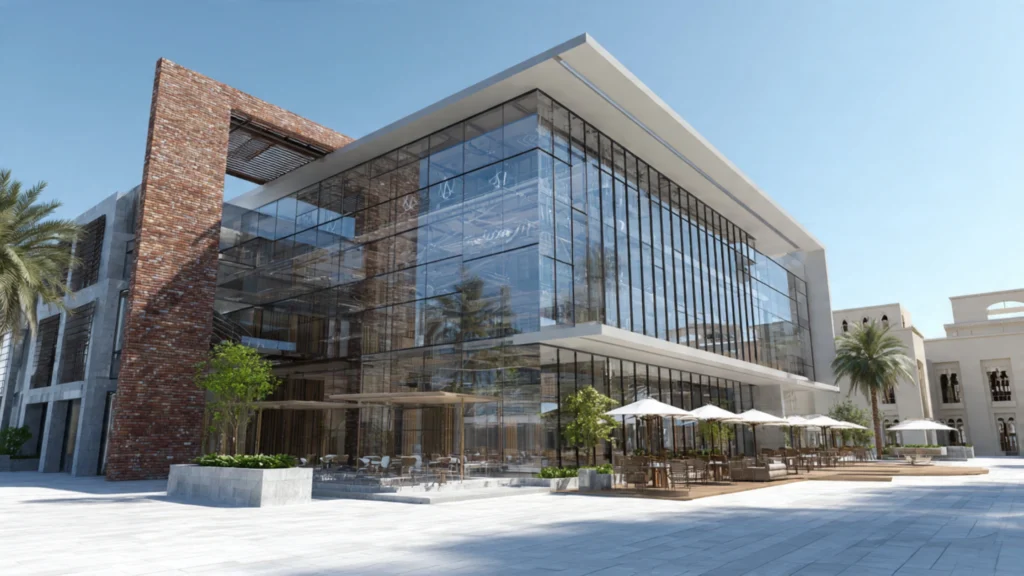
image of UAE university campus or coworking space here

The Top UAE Summer Internship Programs for 2026

Let’s talk programs. These are the ones worth circling on your calendar:

1. PwC Watani Summer Internship UAE

One of the most searched programs for a reason. PwC’s Watani program is designed specifically for UAE nationals but draws intense interest globally. It’s a structured experience across audit, tax, and consulting, and PwC’s name on your CV carries serious weight. Applications typically open in January for the summer cohort.

2. ADIA Lab Summer Internships 2026

The Abu Dhabi Investment Authority Lab is a dream destination for anyone interested in finance, data science, or quantitative research. ADIA Lab internships are highly competitive — we’re talking elite university talent competing for limited spots. If you’re from a target school and have strong quant skills, this should be on your radar.

3. Emirates NBD Summer Internship

Banking internships in the UAE don’t get much more prestigious than Emirates NBD. The program spans retail banking, corporate, risk, and digital — and yes, it’s paid. Dubai summer internship stipends at banks like this can reach AED 3,000–5,000/month, depending on the role and your year of study.

4. Masdar Summer Internship

Perfect for engineering students with an interest in sustainability and renewable energy. Masdar City in Abu Dhabi is genuinely one of the most innovative environments in the Middle East, and energy internships in Abu Dhabi summer programs here give you direct exposure to clean energy projects at scale.

5. Revolut UAE Summer Internship

Fintech is exploding in the UAE, and Revolut’s Dubai office is part of that wave. Tech-forward, fast-paced, and globally connected — this is a strong pick for anyone interested in product, engineering, or operations in a startup-ish environment within a growing company.

Official Website

Paid vs. Unpaid: What’s the Actual Deal?

Let’s address the elephant in the room. Are UAE summer internships paid?

More often than yes — which puts the UAE ahead of many Western markets where unpaid internships are still normalized. Here’s a rough breakdown:

SectorTypical Stipend (AED/Month)Paid?
Finance / Banking3,000 – 5,000Usually yes
Big 4 / Consulting2,500 – 4,500Usually yes
Tech / Fintech2,000 – 4,000Usually yes
Energy / Oil & Gas2,500 – 4,500Usually yes
Government1,500 – 3,000Often yes
Hospitality1,000 – 2,500Mixed
Marketing / PR (SMEs)500 – 2,000Sometimes

The paid summer internships in Dubai are concentrated in the corporate sector. If you’re targeting smaller agencies or startups, do your research — some offer accommodation or transport allowances instead of a flat stipend.

What Documents Do You Actually Need?

Whether you’re a resident expat student applying locally or an international student coming specifically for a UAE summer internship, the paperwork matters. According to MoHRE guidelines, you’ll typically need:

  1. Proof of enrollment — an official letter from your university or school
  2. Valid UAE residence visa (for resident students) or relevant travel documents (for international applicants)
  3. Emirates ID copy (where applicable)
  4. No-Objection Certificate (NOC) from your educational institution

That NOC is worth flagging. It’s non-negotiable for formal internship registrations, and universities can take their sweet time processing them. Start this paperwork at least four weeks before your intended start date.

documents checklist or a professional at a desk here

Visa Situation for International Students

This is where things get a bit nuanced, and I’d encourage you to verify directly with each employer — because it changes.

In general, here’s how it tends to work:

  • Large corporates (banks, energy companies, Big 4) often handle UAE internship visa sponsorship for summer hires, especially if they’re bringing you in from abroad
  • Some programs ask you to arrive on a tourist visa and convert it — always confirm this is legal for your specific situation
  • Government entities may have additional requirements for non-nationals

The key question to ask any prospective employer: “Do you sponsor intern visas, and what’s the process?” A legit program will have a clear answer.

Key Deadlines for UAE Summer Internships 2026

If there’s one thing the keyword data screams at us, it’s that students desperately want to know about summer internship deadlines in UAE 2026. Understandably so.

Here’s the general timeline that most major programs follow:

PhaseTypical Timing
Applications OpenOctober – January
Early DeadlineDecember – January
Rolling ApplicationsFebruary – March
Final Deadline (most programs)March – April
Internship PeriodJune – August (typically 6–12 weeks)

March is critical. Many UAE summer internship deadlines fall in March, and the programs that are worth doing fill up fast. If you’re reading this after April and haven’t applied, you may be looking at a later cohort — but it’s always worth reaching out to companies directly.

How to Actually Apply: A Step-by-Step Process

Alright, here’s where I break it down practically. Because “apply online for UAE summer internships” sounds straightforward until you’re staring at 12 browser tabs wondering where to even begin.

Step 1: Identify your target sector Finance? Tech? Energy? Government? Don’t spray and pray. The UAE internship market is competitive, and a focused application is always stronger than a generic one.

Step 2: Build your target list Use LinkedIn, Indeed, and company career pages. Search “UAE summer internship 2026” on LinkedIn and filter by location (Dubai, Abu Dhabi, Sharjah). Set up job alerts.

Step 3: Tailor your CV One-page max. UAE employers generally prefer a clean, concise format. Lead with education, skills, and any relevant project or leadership experience.

Step 4: Write a specific cover letter Yes, you still need one. Reference the company specifically. Why them? Why the UAE? This matters more than you think for international applicants.

Step 5: Get your NOC and documents ready in advance Don’t let paperwork be the reason you miss a deadline.

Step 6: Prep for the interview UAE summer internship interview tips worth knowing: research the company’s regional footprint, be ready to discuss why you want experience in the Middle East specifically, and demonstrate cultural awareness.

Industries With the Best Opportunities

The UAE’s internship landscape isn’t just banking and hospitality (though those are big). Here’s where the real action is in 2026:

Finance & Fintech — Dubai’s DIFC is a financial hub with hundreds of firms, from Goldman Sachs to local players. Finance summer internships in the UAE are some of the most competitive and best-paid.

Tech — Tech summer internships in Dubai are growing rapidly. Microsoft, Oracle, SAP, and dozens of regional startups all hire summer interns. Roles in software engineering, data, product, and UX design are available.

Energy — Oil and gas summer internships in Abu Dhabi (think ADNOC and its subsidiaries) and clean energy roles at Masdar represent a huge opportunity for engineering and environmental science students.

Consulting — Big 4 and MBB all have regional presences. Consulting summer internships in UAE are rigorous but excellent for career development.

Hospitality & Tourism — Dubai’s tourism industry is genuinely world-class. Tourism summer internships in the UAE span luxury hotels, travel platforms, and event management firms.

Healthcare — Healthcare summer internships in Dubai are growing, driven by major hospital expansions and the UAE’s investment in medical infrastructure.

Dubai Marina skyline or Abu Dhabi business district here

What You’re Entitled to as an Intern

According to UAE law, internships are classified as training programmes — which means your entitlements look slightly different from a full employee’s. But they’re still real entitlements. You should expect:

  • A written internship contract (this is mandatory, not optional)
  • Any compensation or stipend stated in your contract
  • A safe, age-appropriate working environment
  • Maximum 6 working hours per day (for minors under 18)
  • An experience certificate upon completion

If a company tries to get you working 10-hour days and pays you nothing but “exposure,” that’s not a legitimate internship under UAE law. Know your rights.

FAQs: Summer Internships UAE

Q: Can international students apply for UAE summer internships? Absolutely. Many major programs actively recruit from international universities, especially those in the UK, US, India, and other GCC countries. Check each program’s eligibility criteria — some have minimum GPA requirements.

Q: What’s the minimum age for interning in the UAE? 15 years old, according to MoHRE. Students below 15 cannot legally intern in the country.

Q: Do UAE internships provide accommodation? Some do, especially larger corporates and oil & gas firms. Always ask explicitly. If they don’t, factor Dubai’s accommodation costs into your decision — it’s not cheap.

Q: How long are UAE summer internships? Most run 6 to 12 weeks. Shorter programs (6 weeks) are common in government and some corporates; longer 12-week stints are typical in consulting and banking.

Q: Is it worth doing a UAE internship as an international student? In my honest view — yes, if you want international exposure, strong pay, and the kind of multicultural work environment that’s hard to find elsewhere. The UAE sits at the crossroads of East and West in a way that’s genuinely unique.

Conclusion: Your Next Move

The UAE summer internship market in 2026 is competitive — but it’s also full of opportunity if you move fast and apply smart. Whether you’re after paid summer internships in Dubai’s finance district, energy roles in Abu Dhabi, or a tech position with a fast-growing startup, the programs are there.

Start your research now. Build your document checklist, identify your target programs, and don’t let the March deadlines sneak up on you.

The internship that changes your career trajectory might be sitting in a city of glass towers and golden sunsets — and it could have your name on it.

Have questions about a specific program or sector? Drop them in the comments — happy to help you navigate.

Filed Under: FELLOWSHIPS

Getty Images Photo Internships 2026: Your Complete Guide to Landing One of Photography’s Most Coveted Spots

April 8, 2026 by Amina Shah

If you’ve ever dreamed of shooting breaking news in Washington D.C., capturing a slam dunk courtside in New York, or photographing Hollywood’s biggest stars in Los Angeles — Getty Images just opened the door for you.

And here’s the best part? They’re paying you to do it.

Getty Images has officially launched its 2026 Editorial Photography Internship Program, and honestly, it might be one of the most exciting opportunities in visual journalism right now. Whether you’re a journalism student, a self-taught photographer hustling on Instagram, or an international student studying media arts, this program is worth every ounce of your attention.

Let me walk you through everything — what it is, how it works, who can apply, and how to actually give yourself a shot at getting in.

What Is the Getty Images 2026 Photo Internship Program?

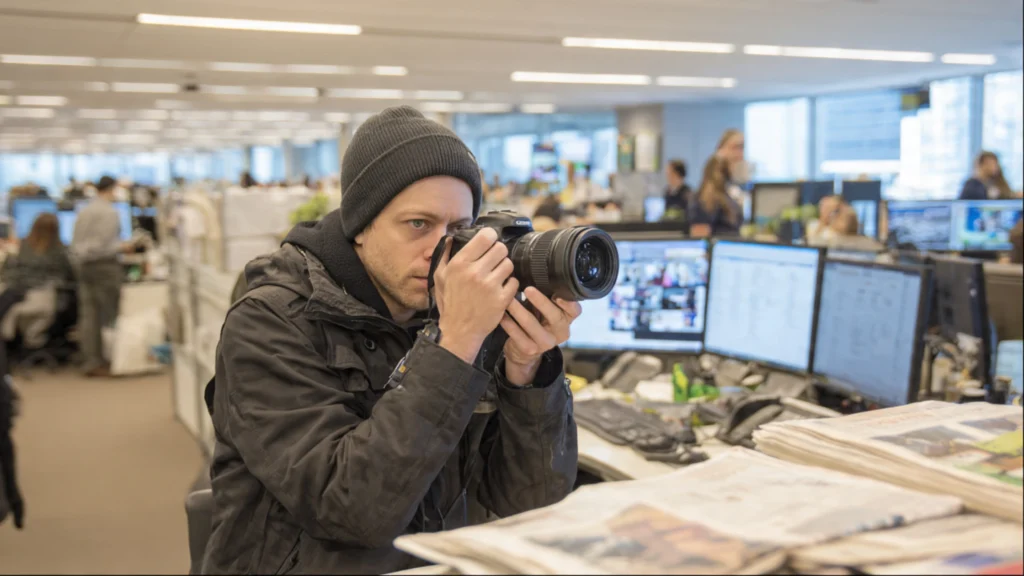
photographer on assignment in a busy newsroom here

Now in its third consecutive year, Getty’s Editorial Photography Internship Program isn’t some “make coffee and sort files” gig. This is a real, hands-on, boots-on-the-ground program where you work alongside some of the most experienced photographers and editors in the world.

Three tracks. Three cities. One incredible opportunity.

TrackLocationDuration
News PhotographyWashington, D.C.May 1 – Dec 31, 2026
Sports PhotographyNew York CityMay 1 – Dec 31, 2026
Entertainment PhotographyLos AngelesJune – Dec 2026

Yes — eight months of immersive, paid editorial photography experience. With Canon equipment handed to you. In three of the most exciting cities on the planet.

Why This Internship Is a Big Deal (Like, Really Big)

Look, there are internships — and then there are career-launching internships. Getty’s program falls firmly in the second category.

Here’s what makes it genuinely different from anything else out there:

  • It’s paid. No unpaid labor dressed up as “exposure.” Actual compensation.
  • Canon gear is provided. We’re talking cutting-edge EOS cameras and RF lenses. You don’t need to own expensive equipment to participate.
  • Real assignments. Not mock scenarios. Real editorial and commercial work that goes out into the world.
  • Portfolio placements in actual editorial outlets upon completion.
  • Professional recommendations from Getty’s global team.
  • Potential inclusion on Getty’s preferred provider list — which is massive for freelance work.
  • And for top performers? Possible consideration for staff roles.

Ken Mainardis, Getty Images’ Global Head of Editorial, put it plainly: the program aims to expand opportunities for aspiring photographers to learn, experiment and grow within one of the world’s most dynamic editorial environments. That’s not marketing fluff — that’s a genuine commitment to mentorship.

Breaking Down Each Track

📰 News Photography — Washington, D.C.

If politics, policy, and power are your thing, the D.C. news track is calling your name. You’ll be embedded in the heart of American political journalism, covering everything from congressional hearings to major protests. The editorial workflow here is fast, demanding, and incredibly educational.

Think of it this way: every photo that shapes public opinion about U.S. politics? Getty’s D.C. bureau has probably had a hand in capturing it.

🏀 Sports Photography — New York City

sports photographer courtside at an NBA game here

New York and sports go together like peanut butter and March Madness. As a sports photography intern, you’ll be shooting live events — probably in venues you’ve only watched on TV. The pace is relentless, the angles matter, and every second counts. It’s the kind of environment that turns good photographers into great ones, fast.

🎬 Entertainment Photography — Los Angeles

Hollywood. Red carpets. Film premieres. Music events. The entertainment track in LA is where visual storytelling meets celebrity culture — and Getty is right at the center of it. This track opens for applications at a later date, with the internship running June through December 2026. So if this is your track, keep your eyes on Getty’s official channels.

How to Apply for Getty Images Photo Internships 2026

someone working on a photography portfolio on a laptop here

Alright, this is the part you actually came for. Let’s be practical.

Applications are currently open for the news and sports tracks. The entertainment track will open later — Getty will announce the timeline through their official channels.

Here’s what you should do right now:

  1. Head to Getty Images’ official careers or internship listings page. Don’t rely on third-party job boards — go straight to the source.
  2. Prepare your portfolio. Even if you’re early in your career, curate your best work. Quality over quantity, always.
  3. Write a compelling application. Be specific about which track you’re applying for and why that city and subject matter excites you.
  4. Highlight relevant experience — academic, freelance, student journalism, whatever you have.
  5. Apply before the deadlines. For news and sports, the internship begins May 1, 2026. Don’t wait.

Frequently Asked Questions

How many internships are available, and where are they based?

There are three paid internships in total: one in Washington, D.C. (news), one in New York City (sports), and one in Los Angeles (entertainment). Each is a distinct program tailored to its specific editorial environment.

When do the internships take place?

The news and sport tracks run from May 1 to December 31, 2026 — a full eight months. The entertainment track runs June through December 2026.

Are the internships paid? What equipment is provided?

Yes — they’re paid internships. And through Getty’s partnership with Canon U.S.A. Inc., interns are provided with Canon EOS cameras and RF lenses to use throughout the program. You’re not expected to show up with a $5,000 camera body. That’s the point.

Do I need a professional portfolio to apply?

This is one of the questions I see flying around a lot. The honest answer: having a portfolio helps — but Getty’s program is explicitly designed for emerging visual storytellers. If your work shows genuine passion, a good eye, and storytelling instinct, don’t let an “incomplete” portfolio stop you from applying.

What happens after the internship?

Upon completion, interns receive:

  • Portfolio placements in editorial publications
  • Professional recommendations from Getty’s editorial team
  • Potential inclusion on Getty’s preferred provider list
  • Consideration for staff roles (for top performers)

That last point is huge. Getting onto Getty’s preferred provider list essentially means you’re in their professional ecosystem — and that opens doors for years to come.

Can international students apply?

Getty hasn’t explicitly restricted the program to U.S. citizens or residents in the publicly available information. However, since the roles are U.S.-based paid positions, international students will need to verify their work authorization status (such as CPT or OPT eligibility if you’re on an F-1 visa). Always consult your university’s international student office before applying.

What You’ll Actually Learn (Not Just What the Brochure Says)

Here’s what the program brochure doesn’t always spell out — but matters enormously.

Working at Getty means you’re inside the full editorial workflow:

  • Assignment planning — learning how stories are pitched and assigned
  • Shooting — live, under deadline pressure, in real editorial environments
  • Client coordination — understanding how editorial clients interact with imagery
  • Photo editing — selecting, captioning, and processing images for publication
  • Distribution — understanding how images reach global media outlets

This isn’t just a photography skills program. It’s a crash course in visual journalism as a professional practice. That distinction matters enormously when you’re building a career.

Tips for Making Your Application Stand Out

I’ll be straight with you — a lot of people are going to apply for three spots. Here’s how to be memorable:

1. Tell a story in your portfolio. Don’t just show technically perfect photos. Show images that mean something. Getty covers real-world events — your portfolio should reflect that you understand storytelling through images.

2. Be specific in your cover letter. Don’t write a generic “I love photography” letter. Tell them exactly why you want the news track in D.C., or the sports track in NYC. Specificity signals preparation.

3. Show range. Still photography is core, but the program also involves video content. If you have any video work, include it.

4. Research Getty’s existing coverage. Browse Getty’s editorial library. Know their style. Understand what kinds of images they value. Reference this in your application — it shows you’ve done your homework.

5. Apply early. Seriously. Don’t procrastinate on this one.

The Bigger Picture: Why Getty Internships Matter for Your Career

photojournalist at a major sporting event here

Let’s zoom out for a second.

The photography industry — especially editorial photography — is competitive. Building a name takes time, connections, and a portfolio that speaks for itself. Programs like Getty’s 2026 internship fast-track all three of those things.

You come out with:

  • Real published work
  • Contacts inside one of the world’s largest visual content companies
  • A line on your resume that immediately signals credibility
  • Technical skills sharpened by actual newsroom pressure

And if you’re an international student specifically — this kind of program can be the difference between returning home without a professional network and establishing yourself firmly in the U.S. editorial photography space.

Quick Reference: Getty Images 2026 Internship at a Glance

FeatureDetails
Program Year3rd consecutive year
TracksNews, Sports, Entertainment
CitiesWashington D.C., New York, Los Angeles
Duration (News/Sports)May 1 – Dec 31, 2026
Duration (Entertainment)June – Dec 2026
Paid?Yes
EquipmentCanon EOS cameras + RF lenses
PartnerCanon U.S.A. Inc.
Post-Internship BenefitsPortfolio placements, recommendations, preferred provider list
Applications OpenNow (news & sports); later (entertainment)

Final Thoughts: Don’t Sleep on This

Look, opportunities like the Getty Images 2026 photo internship don’t come around every day. Paid. Mentored. Equipped. Real assignments in three of America’s most dynamic cities. It’s the kind of program that can genuinely redirect the trajectory of a photography career.

If visual storytelling is your passion — whether you’re documenting political history in D.C., the electricity of a live sports moment in NYC, or the glamour and chaos of entertainment in LA — this program was built for you.

Go apply. Today. Right now. Before you finish reading this sentence.

Your future portfolio is waiting.

Have questions about the Getty Images 2026 internship program? Drop them in the comments below — I’d love to help. And if you found this guide useful, share it with a photographer friend who needs to see it.

Sources: Getty Images official press release via JournalismPakistan.com, Getty Images careers page, Canon U.S.A. partnership announcement.

Filed Under: FELLOWSHIPS

CSREA Visiting Faculty Fellowship 2026: Everything You Need to Know Before You Apply

April 7, 2026 by Amina Shah

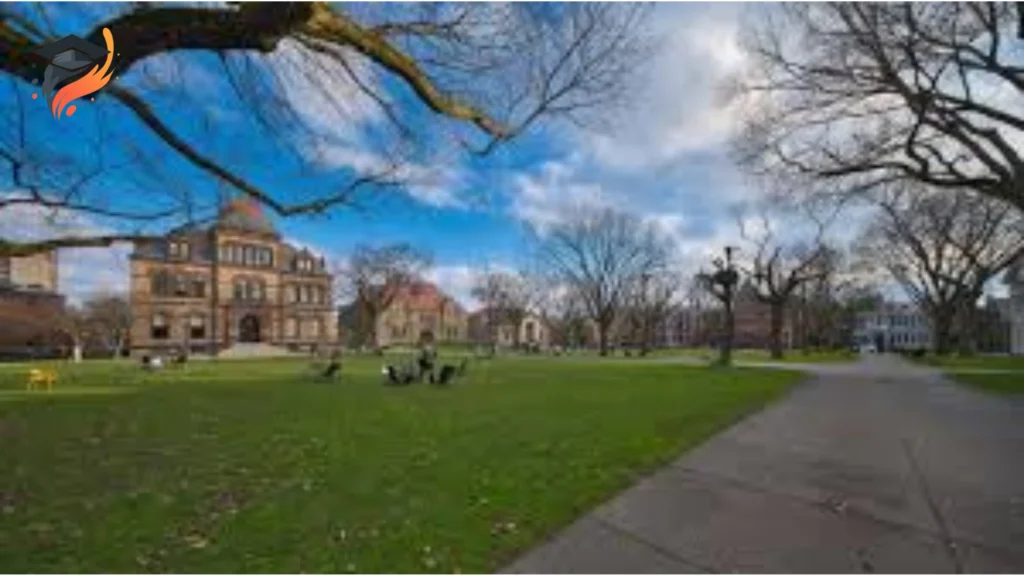
Brown University campus in Providence RI here

Let me be honest with you for a second.

If you’re a tenured faculty member sitting on a sabbatical approval letter from your institution and you’re wondering “what should I actually do with this time?” — this fellowship might just be the answer you didn’t know you were looking for.

The CSREA Visiting Faculty Fellowship at Brown University is one of those quietly prestigious opportunities that doesn’t get nearly enough attention in mainstream academic circles. It’s not flashy. It doesn’t come with a six-figure grant. But what it does offer? A $20,000 stipend, access to one of the Ivy League’s most dynamic research centers, and the chance to plant yourself in a community of scholars who are genuinely trying to move the needle on race, ethnicity, and social justice research.

Sounds pretty good, right? Let’s dig in.

Fully Funded Schokarships

What Exactly Is the CSREA Visiting Faculty Fellowship?

The Center for the Study of Race and Ethnicity in America (CSREA) at Brown University isn’t just another university research center with a fancy name on the door. It’s an interdisciplinary hub that brings together scholars, practitioners, and students who are wrestling with the most complex, urgent questions about race, power, and society.

Their Visiting Faculty Fellowship — now open for Fall 2026 — is designed specifically for tenured and long-term faculty who are already on a funded scholarly leave or sabbatical. Think of it as a way to supercharge your sabbatical. Instead of working in isolation at home, you’d be embedded in Brown’s academic community, surrounded by brilliant colleagues, presenting your work, attending symposia, and contributing to a research environment that’s actively shaping public understanding of racial inequality.

The fellowship is in-person, based in Providence, Rhode Island, and runs for the Fall 2026 semester. First cohort convening? September 2026.

Who Should Apply? (And Who Shouldn’t Bother)

Here’s where I’ll save you some time.

You’re a strong candidate if:

  • You hold a tenured or long-term faculty position at your home institution
  • Your institution has already approved a funded scholarly leave or sabbatical for Fall 2026 (this is non-negotiable — CSREA requires a formal institutional letter confirming this)
  • Your research focuses on race, ethnicity, and/or indigeneity — in the U.S., the Americas, or related transnational contexts
  • You’re genuinely interested in interdisciplinary collaboration, not just checking a fellowship box

You might want to look elsewhere if:

  • Your sabbatical hasn’t been formally approved yet
  • Your research has no meaningful connection to race, ethnicity, or indigeneity
  • You’re not able to relocate to Providence for the Fall semester — this is a fully in-person residency, no exceptions

One thing worth highlighting: the fellowship is open to all disciplines. So whether you’re a historian, a legal scholar, an anthropologist, a public health researcher, or a political scientist — if your work touches on these themes, you’re eligible to apply.

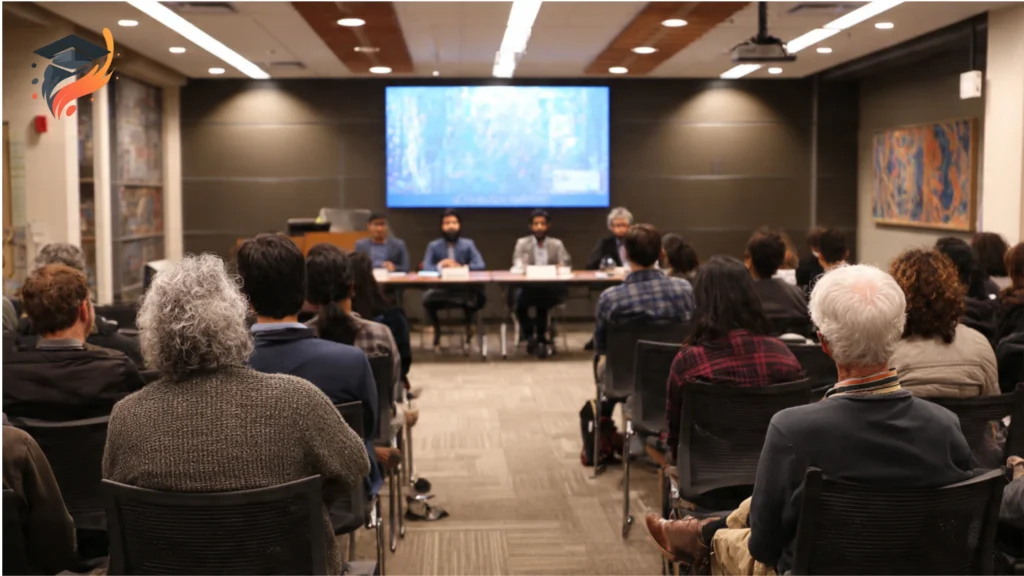
CSREA research seminar or academic panel discussion here

The Benefits: What Do You Actually Get?

Let’s talk numbers and perks, because that matters.

BenefitDetails
Stipend$20,000 for the semester
University ResourcesFull access to Brown’s libraries, databases, and facilities
Research OpportunitiesWorkshops to present works-in-progress
Community AccessIntegration into CSREA’s academic and social networks
Scholarly EngagementInteraction with Brown faculty, students, and affiliated scholars

Now, a word of candor: fellows are responsible for their own housing, travel, and living expenses, including health insurance. Providence is a mid-sized city with a reasonable cost of living compared to, say, New York or Boston — but factor that into your financial planning before you apply. The $20,000 stipend is meaningful, but it’s not meant to cover everything.

What’s Expected of You as a Fellow?

This isn’t a “take the money and disappear into your laptop” kind of fellowship. CSREA wants you present — intellectually, socially, and academically.

Here’s what participation looks like in practice:

  • Residency: You live and work in Providence for the Fall semester. Full stop.
  • Research: You continue your independent research project related to race, ethnicity, or indigeneity.
  • CSREA Research Fellows Seminar: You participate in this seminar (exact number of sessions TBD, but plan for regular engagement).
  • Events: You’re encouraged — strongly — to attend CSREA-sponsored lectures, symposia, and community events.
  • Presenting: You’ll have opportunities to share your work-in-progress and get real feedback from a sharp, engaged audience.

The intellectual give-and-take is kind of the whole point. If you’re looking for a quiet, solitary writing retreat, this probably isn’t your best fit. But if you want your ideas pressure-tested and enriched by genuine dialogue? This is exactly the environment for that.

The Application: What You Need to Submit

The application deadline is Friday, April 10, 2026 — so if you’re reading this close to that date, don’t waste another minute.

Here’s exactly what you need to pull together:

1. Current CV

Standard academic CV. Make sure it’s up to date and reflects your most recent publications, teaching, and service.

2. Research Proposal (2–3 pages)

This is the heart of your application. CSREA wants to know:

  • What your project is actually about
  • Why it matters to their mission specifically
  • What you expect to produce or contribute by the end of the fellowship
  • How being at Brown — at CSREA specifically — supports this work

Pro tip: Don’t write a generic research abstract and slap it in here. Connect your work explicitly to CSREA’s priorities: racial and ethnic inequality, technology, environment, governance, education, social justice. Show them you’ve done your homework on what they care about.

3. Statement of Intent (1–2 pages)

This is your chance to show your personality as a scholar and a collaborator. Address:

  • How you plan to engage with CSREA’s community (beyond just attending events)
  • Why you’re interested in the Research Fellows Seminar specifically

Be specific. Be genuine. Generic statements of intent are painfully obvious.

4. Writing Sample (Maximum 25 pages)

A chapter, an article, a book section — whatever best represents your current scholarly voice and research direction. Keep it under 25 pages and make sure it’s directly relevant to the work you propose to do as a fellow.

5. Institutional Letter

A formal letter from your home institution confirming that your funded scholarly leave or sabbatical for Fall 2026 has been approved. Without this, your application is incomplete.

scholar working in a university library or research space here

Why This Fellowship Matters — Beyond the Stipend

Here’s the thing I want you to sit with for a moment.

We’re living in a period of intense, sometimes volatile public discourse around race, identity, and belonging. The academic work being done in centers like CSREA doesn’t exist in a vacuum — it shapes policy conversations, informs educators, influences public understanding. Being part of that ecosystem, even for a single semester, is the kind of thing that can genuinely redirect the trajectory of a research career.

And there’s something to be said for the community dimension. Academic life can be isolating, especially mid-career. The people you meet in a fellowship cohort — other visiting scholars, Brown faculty, graduate students — become long-term intellectual companions. Collaborations start in seminar rooms. Papers get co-authored over coffee. That’s not nothing. That’s actually a lot.

Frequently Asked Questions

Q: Do I need to be from the United States to apply? No. The fellowship engages with U.S., Americas, and transnational contexts — and scholars from outside the U.S. are welcome to apply, provided they meet all other eligibility criteria.

Q: Can I apply if my sabbatical hasn’t been officially approved yet? Technically, you need the institutional letter as part of your application package by the deadline. If approval is pending, contact CSREA directly at csrea@brown.edu to discuss your situation.

Q: Is there any flexibility on the in-person requirement? Based on all available information, the fellowship is strictly in-person for the Fall semester in Providence. There’s no indication of hybrid or remote options.

Q: Will CSREA provide feedback on my application if I’m not selected? Unfortunately, no. Due to high application volume, individual feedback is not offered.

Q: What disciplines are eligible? All disciplines. As long as your research engages with race, ethnicity, and/or indigeneity in the relevant geographic contexts, your field of study is not a barrier.

Key Dates at a Glance

MilestoneDate
Application OpensMarch 6, 2026
Application DeadlineApril 10, 2026
Fellowship BeginsSeptember 2026
LocationProvidence, RI (in-person)

The Bottom Line

The CSREA Visiting Faculty Fellowship at Brown University is a genuinely compelling opportunity for established scholars whose work sits at the intersection of race, ethnicity, indigeneity, and social justice. It won’t make you rich. But it will put you in the right room, with the right people, at the right institution — and sometimes, that’s worth more than money.

If you’re on sabbatical this fall and your research touches these themes, there’s really no reason not to apply. The deadline is April 10, 2026. The application is straightforward. The potential upside is significant.

So — what are you waiting for?

Apply directly through Brown University’s CSREA website, or reach out to csrea@brown.edu with any questions.

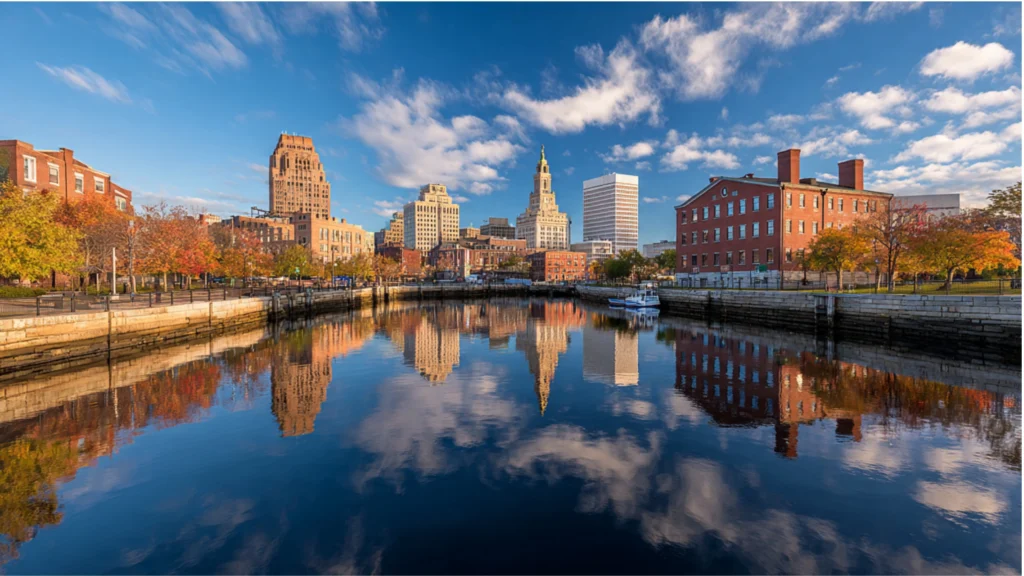
Providence Rhode Island skyline or Brown University landmark here

Are you considering applying for the CSREA Visiting Faculty Fellowship? Drop your questions in the comments or share this with a colleague who’s on sabbatical this fall — they might thank you for it.

Filed Under: FELLOWSHIPS

The 2026 NGO Fellowship Programme You Didn’t Know You Needed (But Absolutely Do)

April 7, 2026 by Amina Shah

A fully immersive, paid fellowship in Taiwan for NGO professionals from South Asia, Southeast Asia, and beyond — here’s everything you need to know before the June 1st deadline.

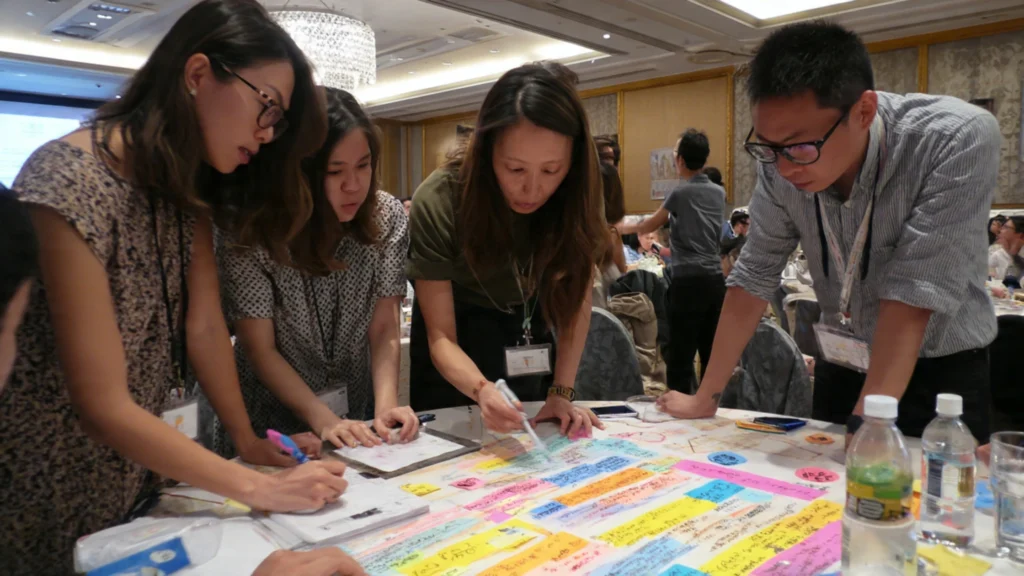
NGO professionals collaborating at a workshop in Taipei Taiwan

Let me ask you something. How many times have you scrolled through a fellowship listing, felt a flicker of excitement — this could be the one — and then talked yourself out of applying because the requirements seemed impossible, the deadline too close, or the opportunity too good to be real?

I get it. The global fellowship space can feel like a maze of fine print and vague promises. But every once in a while, something genuinely interesting shows up. The 2026 NGO Fellowship Programme by Taiwan Alliance in International Development (Taiwan AID) is exactly that kind of opportunity — and if you’re an NGO professional from South or Southeast Asia, Northeast Asia, or the Pacific Islands, it deserves your full attention.

This isn’t a passive learning program where you sit in conference rooms for a month. You’re actually working inside a Taiwanese NGO, attending roundtables with practitioners, proposing real cross-border collaboration projects, and — perhaps most memorably — marching in Taiwan’s LGBT+ Pride parade on October 31st. Yes, really.

So, let’s break it all down properly. What is this fellowship, who can apply, what does the schedule look like, and how do you write an application that actually gets noticed? Let’s go.

Chevening Scholarships

What Exactly Is the NGO Fellowship Programme?

The Taiwan Alliance in International Development (Taiwan AID) has been running this programme as part of a broader mission to strengthen civil society networks across Asia and the Pacific. Think of it as a professional exchange — you bring your expertise, Taiwan’s NGO ecosystem gives you a front-row seat to how development work operates in one of Asia’s most dynamic civil societies.

The 2026 cohort is limited to just 12 fellows (subject to funding availability). That’s not a lot. Which means your application needs to be sharp, specific, and genuinely reflective of your work.

“The best fellowships don’t just give you a credential — they give you a network, a new lens, and a project you’re actually proud to carry home.”

This one checks all three boxes. Here’s a look at the core components:

🏢 NGO Placement

3 weeks embedded in a Taiwanese NGO matched to your background. Real operations, real projects.

🎓 Capacity Building

Workshops on project management, fundraising, and advocacy. Site visits to civil society organizations.

🗣️ Roundtable

A peer exchange with Taiwanese NGO professionals to share field observations and ideas.

🤝 Project Proposal

You’ll develop and pitch a collaboration draft for future work in your home country.

🌐 Alumni Network

Stay connected within the Asian NGO ecosystem long after the program ends.

🏳️‍🌈 Cultural Experience

Participation in Taiwan LGBT+ Pride — a significant civil society event and cultural milestone.

The Programme Schedule: What Your October Looks Like

The fellowship runs fully on-site in Taiwan from October 4 to November 1, 2026. Mark these dates now:

Oct 4 — Day 1

Arrive in Taipei. Settle in, meet the team, get oriented.

Oct 5–8 — Week 1

Workshops on project management, fundraising & advocacy. Civil society site visits across Taipei. Roundtable with local NGO professionals (Day 6).

Oct 12–29 — Weeks 2–4

Three-week field placement inside your matched Taiwanese NGO. This is the core of the fellowship — daily operations, project support, and real immersion.

Oct 30 — Closing

Wrap-up session and formal closing ceremony. You present your collaboration project proposal.

Oct 31 — Pride

Taiwan LGBT+ Pride parade. One of Asia’s largest Pride events — a powerful civic moment.

Nov 1 — Departure

Fly home with new contacts, a project proposal, and a full month of Taiwan in your memory.

Important note

Full on-site participation is required throughout the programme. This is not a hybrid or virtual fellowship — you must be physically present in Taiwan for the entire duration.

Who Can Apply? The Eligibility Criteria Explained

Let’s be direct: this fellowship is designed for mid-career NGO professionals, not fresh graduates. Here’s the full breakdown of who qualifies for this international NGO fellowship:

CriteriaRequirementNotes
Age25–40 years oldAt time of programme start (Oct 2026)
ExperienceMinimum 3 years in the NGO sectorMust be demonstrable, not just volunteer work
LanguageEnglish proficiency (required)Mandarin is an advantage, not mandatory
IndependenceSelf-motivated, able to work independentlyFellows are expected to deliver outputs autonomously
NationalityFrom eligible countries (see below)Southeast Asia, South Asia, Northeast Asia, Pacific Islands

Eligible Countries

You must be from one of the following countries or regions:

  • Southeast Asia: Brunei, Cambodia, Indonesia, Laos, Malaysia, Myanmar, the Philippines, Singapore, Thailand, Timor-Leste, Vietnam
  • South Asia: Bangladesh, Bhutan, India, Maldives, Nepal, Pakistan, Sri Lanka
  • Northeast Asia: Japan, Mongolia, South Korea
  • Pacific Islands: Marshall Islands, Palau, Tuvalu

Priority Sectors

Your work should fall within (or adjacent to) one of these thematic areas:

  • Community development
  • Environment and sustainability
  • Education
  • Women’s rights
  • Civic engagement and human rights
  • Emergency relief
  • Disability inclusion
  • Children and family welfare
  • Social innovation and entrepreneurship

Outstanding applicants from other fields may also be considered — so don’t self-eliminate if your work sits slightly outside this list.

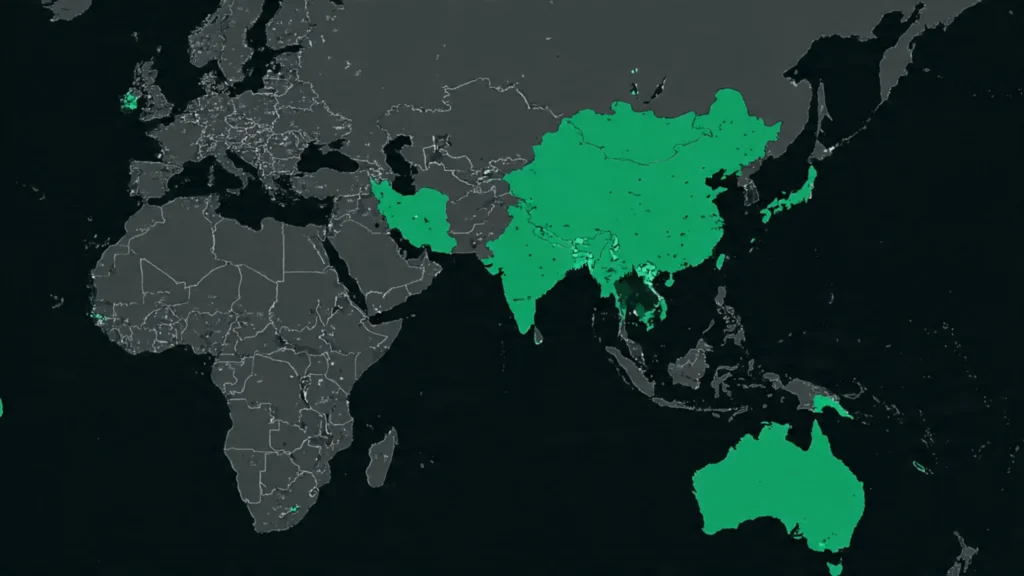
Map highlighting eligible countries across South Asia Southeast Asia Northeast Asia and Pacific Islands

How to Apply for the 2026 NGO Fellowship

The application process is online. Here’s what you need to know — and more importantly, what you need to do.

DetailInfo
Application DeadlineJune 1, 2026
FormatOnline application form (Google Forms)
Cohort Size~12 fellows (subject to funding)
Registration Linkforms.gle/GyGY8paRCCKgD2RG6
FAQ Pagereurl.cc/zQAXN6

Tips to Write a Standout NGO Fellowship Application

Twelve spots. Hundreds of applicants (most likely). Here’s how I’d approach it if I were in your position:

  1. Be specific about your impact. Don’t say “I work in community development.” Say “I led a 3-year food security project in rural Nepal that reached 2,400 households.” Numbers and specificity win.
  2. Connect your background to the host NGO ecosystem. Taiwan has a vibrant civil society focused on democracy, gender equity, indigenous rights, and environmental issues. If your work intersects with any of these, say so explicitly.
  3. Have a collaboration idea ready. The fellowship asks you to propose a project at the end. Think about what that might look like before you apply — and hint at it in your application. It shows seriousness.
  4. Demonstrate independence. This isn’t a hand-held program. Emphasize moments where you’ve worked autonomously, managed ambiguity, or led without a supervisor guiding every step.
  5. Don’t overthink the Mandarin thing. It’s listed as an advantage, not a requirement. If you don’t speak Mandarin, don’t let it stop you.

Why This Fellowship Stands Out Among Global NGO Fellowships

There are a lot of NGO leadership fellowships out there. So what makes this one worth your attention specifically?

For starters, the placement model is unusually hands-on. Most fellowship programmes put you in training rooms with visiting lecturers. This one puts you inside an NGO — attending team meetings, contributing to actual projects, navigating a real organizational culture. That’s the kind of learning that sticks.

Second, Taiwan is a genuinely fascinating case study in civil society development. It’s a young democracy with a remarkably robust NGO ecosystem. The country has navigated issues around LGBTQ+ rights, indigenous rights, environmental policy, and cross-strait political tension — all while building institutions that many older democracies envy. Spending a month embedded there isn’t just professionally useful. It’s intellectually interesting.

Third — and I think this is underrated — the alumni network spans multiple countries across Asia and the Pacific. For development professionals, a regional peer network is genuinely one of the most valuable long-term assets you can build. The people you’ll meet during this fellowship are likely to be your collaborators, references, and co-applicants on future projects for years to come.

“The 12-person cohort isn’t a limitation — it’s the feature. Small cohorts create deep connections. You’re not networking; you’re building a team.”

Frequently Asked Questions About the 2026 NGO Fellowship Programme

Is this fellowship paid or do I need funding to participate?

The programme listing notes that the final participant quota depends on funding availability. For stipend and cost coverage details, check the official FAQ page at reurl.cc/zQAXN6 or contact Taiwan AID directly. Don’t assume — ask.

Can I apply if I work in a field not listed under priority sectors?

Yes. The programme explicitly states that “outstanding applicants from other fields will also be considered.” If your work has a clear social impact angle, make that case in your application.

Do I need to speak Mandarin to participate?

No. Proficiency in written and spoken English is required. Mandarin is listed as an advantage — useful but not a dealbreaker.

Is virtual or hybrid participation possible?

No. Full on-site participation in Taiwan is required for the entire programme duration (Oct 4 – Nov 1, 2026). Plan accordingly — visas, leave from work, everything.

What happens after the fellowship ends?

Fellows join an alumni network that facilitates continued cross-border collaboration and engagement within the broader Asian NGO ecosystem. You’re also expected to implement or advance the project proposal developed during the fellowship in your home country.

How competitive is the NGO Fellowship Programme selection?

With only 12 spots and a global applicant pool, competition is real. Focus on specificity, demonstrated impact, and a clear vision for how you’d use the experience. Generic applications don’t make the cut.

I’m from India / Bangladesh / Philippines — am I eligible?

Yes to all three. India and Bangladesh fall under South Asia; the Philippines is under Southeast Asia. All three countries are explicitly listed as eligible.

A Final Word Before You Click Apply

Here’s the thing about opportunities like this: the people who get in are usually not the most qualified in the traditional sense. They’re the ones who actually applied — and applied thoughtfully.

The June 1st deadline feels far away until it suddenly doesn’t. Taiwan is one of the most interesting places in Asia to study civil society right now. The cohort is small enough to be meaningful. And the combination of field placement, workshops, a roundtable, and an alumni network makes this one of the more complete fellowship formats I’ve seen at the NGO level.

If you have three or more years of NGO experience, fall in the eligible region, and can commit to a month in Taipei — this is worth the application time. Read the FAQ, prepare your materials, and get that form submitted before June 1st.

And if you get in? I’d genuinely love to hear about it.

Ready to Apply?

The 2026 NGO Fellowship Programme deadline is June 1, 2026. Applications are submitted via the official online form. Check the FAQ for any remaining questions before applying.Apply Now — Official Form ↗

Disclaimer: This blog post is for informational purposes only. For official programme details, eligibility confirmation, and stipend information, please refer to Taiwan AID’s official communications and the FAQ at reurl.cc/zQAXN6. Application details are subject to change.

Filed Under: FELLOWSHIPS

Daradia 25th Online Basic Fellowship in Pain Medicine: Everything You Need to Know

April 6, 2026 by Amina Shah

Are you looking for Daradia 25th Online Basic Fellowship in Pain Medicine? So here’s a question worth sitting with for a moment: how many doctors finish their postgraduate training and still feel completely lost when a chronic pain patient walks in?

More than you’d think. Pain medicine sits in this awkward gap — it’s too specialized for general training, yet too clinical to learn from textbooks alone. That’s exactly the problem Daradia has been solving since 2008. And with their 25th Online Basic Fellowship in Pain Medicine launching on 8th April 2026, this might be the right moment to pay attention.

Whether you’re an anaesthesiologist looking to expand your scope, an orthopaedician tired of guessing with chronic back pain cases, or a general physician who wants to actually understand what’s happening with your neuropathic pain patients — this fellowship was built for you.

Let’s get into it.

Chevening Scholarships

What Exactly Is the Daradia 25th Online Basic Fellowship in Pain Medicine?

The Online Fellowship in Pain Medicine (Basic) is a structured, three-month program run by Daradia: The Pain Clinic in Kolkata, in collaboration with GE Healthcare. It’s fully online, evidence-based, and accredited by the West Bengal State Medical Council — which matters more than people realize. Most online medical courses carry private accreditation (easy to get, honestly). A government body affiliation is a different level of credibility.

The numbers speak for themselves:

MetricDetail
Batch Number25th
Dates8th April – 7th July 2026
Duration3 months
Doctors Trained So Far3,500+ from 41 countries
Annual Participation600+ physicians
Course Rating4.9★ from 1,730 reviews
Academic Hours25+ hours

That’s not a weekend webinar. That’s a real program with real outcomes.

Who Should Actually Enrol?

Here’s the honest answer: if you regularly see patients in pain and feel you could manage them better, this is for you.

More specifically, the fellowship is ideal for:

  • Anaesthesiologists wanting to move into pain practice
  • Orthopaedic surgeons dealing with chronic musculoskeletal presentations
  • General physicians managing neuropathic or cancer-related pain
  • Neurologists and PM&R specialists looking for structured interventional exposure
  • Doctors in early career wanting to build a pain practice from scratch

What it’s not designed for: non-clinical professionals, or anyone expecting passive theory without clinical application. This program demands engagement. You’ll be expected to think, interact, and actually apply what you learn.

The Curriculum: More Than You’d Expect from an Online Course

Let me be direct — the syllabus here is surprisingly deep for a basic fellowship. It’s organized into two main tracks.

Core Academic Modules

  • Pain pathways and underlying mechanisms
  • Nociplastic pain — diagnosis and management (still underrecognized clinically)
  • Clinical pain assessment and red flag identification
  • Rational pharmacotherapy in chronic pain
  • Neuropathic and musculoskeletal pain syndromes
  • Evaluation of back pain, knee pain, neck pain, and shoulder pain
  • MRI of the lumbar spine, X-ray and CT interpretation
  • Radiofrequency ablation and cryoneurolysis
  • Cancer pain management
  • How to publish research

Interventional Exposure

  • Introduction to image-guided pain procedures
  • MSK ultrasound — live scanning on a volunteer
  • Fluoroscopy (C-arm) principles and procedural orientation
  • Mannequin-based step-by-step procedural demonstrations

The live scanning session alone sets this apart from most online courses, which typically offer animations or pre-recorded clips. Watching a real probe on a real volunteer, with commentary from faculty, is the closest thing to being in the room.

The AI Tools — And Why They Actually Matter

This is where Daradia has done something genuinely interesting. Two AI-powered learning tools are built into the fellowship:

Virtual Clinic — A simulated patient environment where you take a history, order investigations (MRI, X-ray), make a diagnosis, and build a treatment plan. The system gives you instant feedback on your decisions. It’s low-stakes learning with high-stakes thinking. Exactly what clinical training should feel like.

Virtual Mentor — An AI academic assistant that clarifies complex concepts, helps with research methodology, and provides protocol-based guidance. Think of it as a senior colleague who never gets tired of your questions.

There’s also a dedicated MSK Ultrasound Simulator developed by the Daradia team — built specifically for pain physicians, not general sonographers. It converts 2D textbook anatomy into 3D spatial understanding. For someone learning probe positioning for the first time, this is genuinely useful.

The Faculty: Who’s Actually Teaching You?

The program is led by Dr. Gautam Das, Founder and Director of Daradia, with 40 years of clinical experience and 30 years of teaching. He’s authored five textbooks including Basics of Pain Management (now in its 4th edition), contributed approximately 200 publications, and received the Excellence in Pain Practice Award from the World Institute of Pain in 2010 — the first center in Asia to receive it.

Regular faculty come from India, Nepal, and Bangladesh. Guest faculty have joined from the USA, Ireland, Indonesia, and Malaysia. For an online fellowship, that’s a genuinely international teaching bench.

Fees and Registration

No confusing pricing structures here:

RegionFee
India, Bangladesh, Nepal, Sri Lanka₹29,555
All other countriesUSD 698

There’s also a combo offer available — the online fellowship bundled with an offline hands-on interventional workshop, at a discounted rate. If you can travel to attend the workshop, this combination gives you both the theoretical depth and the procedural hands-on time that no online course alone can fully replace.

Register at: daradia.com/online-fellowship WhatsApp: +91 8282 01 2828

Frequently Asked Questions

Is this a full-time commitment? No. The fellowship is designed to be completed alongside your active clinical practice. Sessions are live but also recorded for access during the course period and two weeks after, up until the examination.

Does it include procedures? Yes — demonstrated live on mannequins with image guidance principles explained. You won’t be performing procedures yourself (it’s online), but you’ll understand the anatomy, the steps, and the decision-making behind them.

Is the certification recognized? The program is accredited by the West Bengal State Medical Council and jointly certified by GE Healthcare and Daradia. Passing the examination (≥50%) earns you the joint certificate.

Who’s the exam for? Every participant. The final examination is part of the fellowship structure, ensuring that certification reflects actual learning — not just attendance.

Why the 25th Batch Is Worth Noting

There’s something quietly meaningful about a 25th batch. It means the program has run consistently, every three months, for years. It hasn’t faded or become irregular. The curriculum has evolved — AI tools, the USG simulator, the international faculty network — but the core structure has held.

Over 3,500 physicians from 41 countries have completed it. That’s not marketing language; that’s a community of practitioners who learned pain medicine through this program and went back to their clinics in Nairobi, Jakarta, Dublin, and Delhi and applied it.

If you’re looking for validation from peers, the 4.9-star rating across 1,730 reviews tells you something real. No course maintains that across that volume without delivering consistent value.

The Bottom Line

Pain medicine isn’t going to get less important. Chronic pain affects over 20% of the global population. Opioid-dependent management is under increasing scrutiny. Structured, rational approaches to pain — diagnosis, pharmacology, and intervention — are increasingly what separates a good clinician from a great one.

The Daradia 25th Online Basic Fellowship in Pain Medicine is structured, internationally accredited, faculty-rich, and clinically relevant. It won’t replace hands-on procedural training (nothing online can), but as a foundation — or as a way to finally make sense of everything you learned in fragments across your career — it’s one of the more credible options available right now.

The 25th batch opens 8th April 2026. If this is something you’ve been considering, the window is short.

For more information or to register: daradia.com/online-fellowship | WhatsApp: +91 8282 01 2828

Filed Under: FELLOWSHIPS

« Previous Page
Next Page »

  • About us
  • Contact us
  • Privacy Policy